




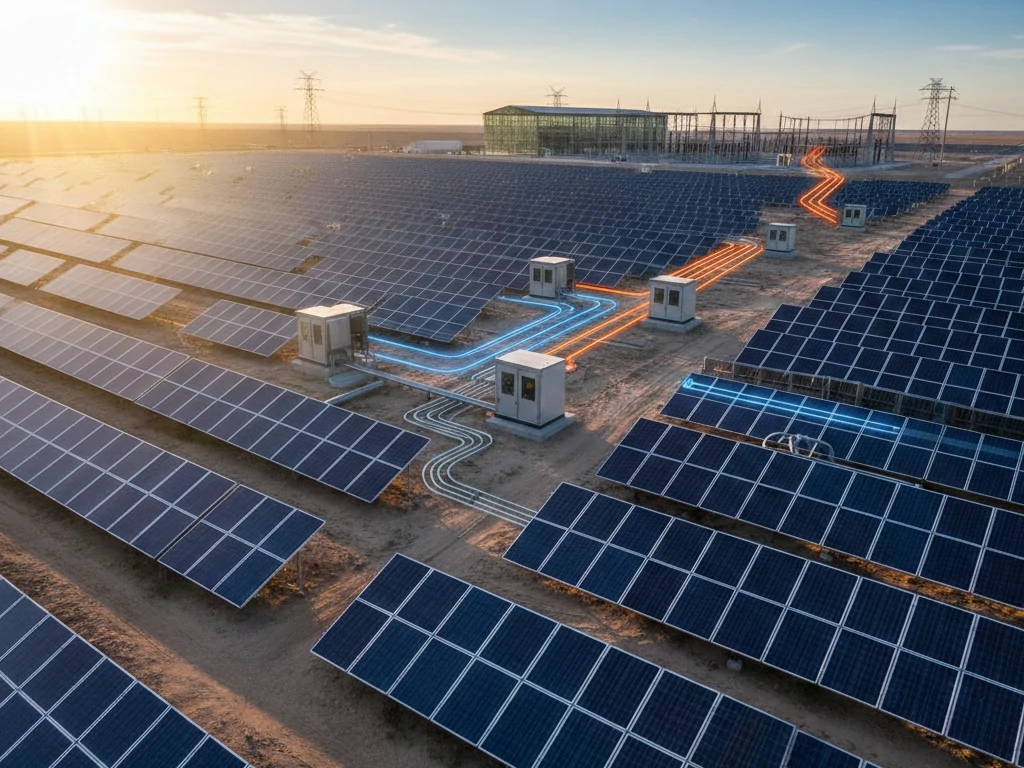
If you’ve ever dived into the world of solar energy, you’ve probably come across the term solar inverter DC/AC ratio. Honestly, it can be a bit intimidating at first—especially if you’re trying to optimize your PV system for maximum efficiency without frying your inverter. Don’t worry; we’re going to break this down step by step.
If you’ve spent any time reading about PV system design, you’ve probably seen the term solar inverter DC/AC ratio pop up again and again. And for good reason. This single ratio quietly influences how much energy your system produces, how hard your inverter works, and whether your design makes financial sense over the long run.
The solar inverter DC/AC ratio is the relationship between the total DC capacity of your solar panels and the AC power rating of your solar inverter.
In formula form, it looks like this:
DC/AC ratio = total DC power of the PV array ÷ inverter AC output rating
For example, if your panels add up to 12 kW on the DC side and your inverter is rated at 10 kW AC, your solar inverter DC/AC ratio is 1.2.
That’s it. No mystery. But the impact of this number goes far beyond simple math.
Here’s a common misconception: many people assume the DC and AC sides of a PV system should always be perfectly matched. In reality, that almost never happens in well-designed systems.
Solar panels are rated under ideal lab conditions. Real life is messier. Heat, dust, clouds, wiring losses, and panel aging all reduce actual output. Because of this, panels rarely operate at their nameplate DC rating for most of the day.
This is exactly why the solar inverter DC/AC ratio exists. Designers intentionally allow more DC capacity than AC capacity so the inverter can operate efficiently across more hours of the day, especially in the morning, late afternoon, and winter months.
Understanding the behavior of DC and AC power helps explain why the solar inverter DC/AC ratio matters so much.
Because of this mismatch, a solar inverter is almost never running at full AC capacity unless conditions are close to perfect. A slightly higher solar inverter DC/AC ratio helps close that gap.
In real-world installations, the solar inverter DC/AC ratio usually falls into predictable ranges:
These numbers aren’t random. They’re based on years of field data, performance modeling, and financial analysis. A properly chosen solar inverter DC/AC ratio increases annual energy production without creating unnecessary stress on the inverter.
This is where inverter clipping explained becomes important.
When DC production exceeds the inverter’s AC capacity, the inverter simply limits output to its maximum rating. The extra DC energy isn’t converted. This is known as clipping.
A higher solar inverter DC/AC ratio increases the likelihood of clipping during peak sun hours. But here’s the key point many people miss: occasional clipping is expected and often planned for. It usually happens for a small portion of the year and is offset by higher energy production during non-peak hours.
From an engineering perspective, the goal is not to eliminate clipping entirely, but to manage it intelligently.
In real projects, the solar inverter DC/AC ratio directly affects return on investment.
Adding DC capacity is often cheaper than increasing AC inverter capacity. Panels are relatively inexpensive compared to upgrading inverters and grid interconnections. That’s why PV system oversizing on the DC side is so common.
A well-chosen solar inverter DC/AC ratio allows system owners to:
This balance is especially important in commercial systems, where margins matter and performance is tracked closely.
One mistake I see often is assuming that a higher solar inverter DC/AC ratio automatically means danger. That’s simply not true. Modern inverters are designed to handle temporary DC to AC overloading and clipping without damage.
The real risk comes from poor design assumptions—ignoring local climate, installing inadequate ventilation, or failing to monitor system performance. The ratio itself is just a tool. How you use it makes all the difference.
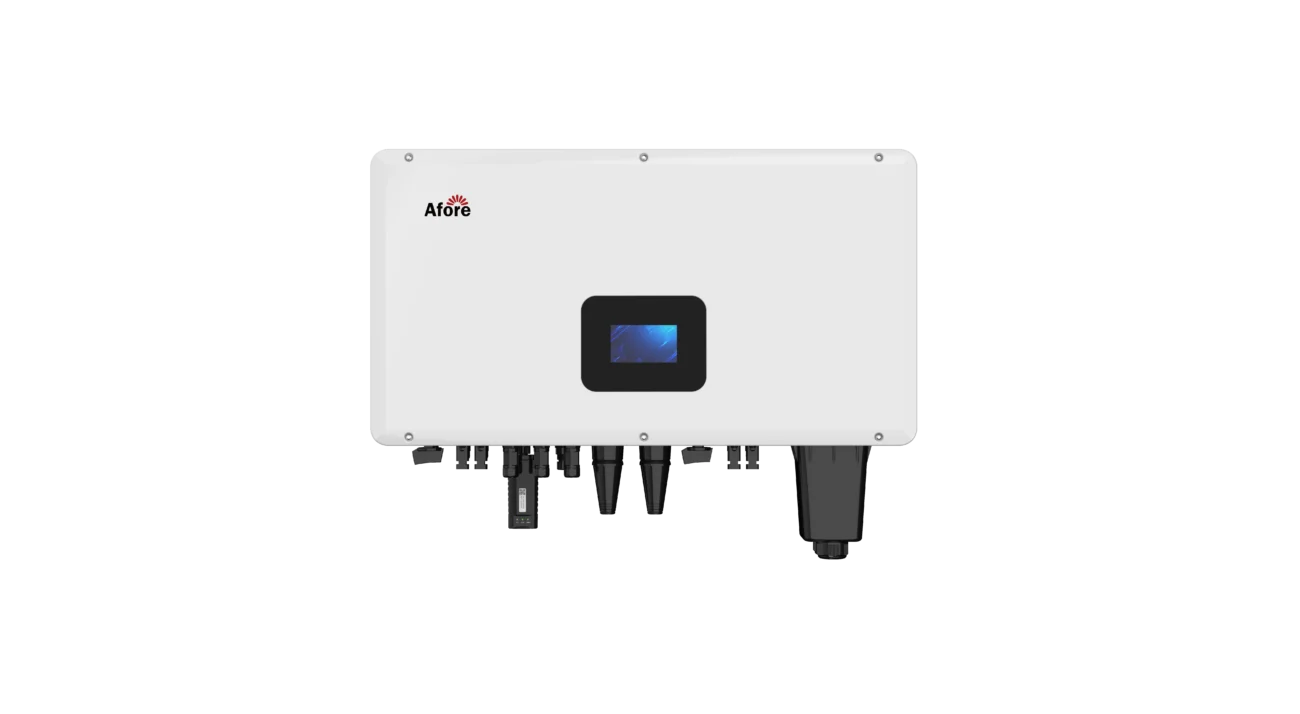
To really understand why the solar inverter DC/AC ratio matters, you need to know what actually happens inside a solar inverter during DC to AC conversion. This is where theory meets real-world behavior, and where many system design decisions either pay off—or quietly cost you energy over time.
At a basic level, a solar inverter takes the direct current (DC) electricity produced by solar panels and converts it into alternating current (AC) that buildings and power grids can use. That part sounds simple, but the reality is far more dynamic.
Solar panels don’t produce a steady flow of DC power. Their output rises and falls throughout the day depending on sunlight intensity, temperature, shading, and even dust. The inverter’s job is to constantly track this changing DC input and convert as much of it as possible into stable AC power—without exceeding its rated capacity.
This constant balancing act is exactly why the solar inverter DC/AC ratio plays such a critical role in system performance.
Most modern inverters use maximum power point tracking (MPPT) to extract the highest possible power from the DC side at any given moment. MPPT allows the inverter to adapt to changing panel conditions, squeezing out extra energy when sunlight is weak or inconsistent.
Here’s the catch: even with MPPT, the inverter is still limited by its AC output rating. Once DC input reaches a level where the inverter is already producing its maximum AC power, it can’t convert any more—no matter how much DC power is available.
This limitation is where inverter clipping explained becomes essential for understanding real-world system behavior.
When DC input power exceeds the inverter’s AC rating, the inverter caps its output. The excess DC power is simply not converted. This is known as clipping.
Clipping typically happens:
From an engineering standpoint, this is not a failure. It’s a controlled response built into inverter design. The inverter protects itself by limiting output rather than overheating or shutting down unexpectedly.
This is why DC to AC overloading does not automatically mean damage. It only becomes a concern if the system is poorly designed or if thermal limits are exceeded repeatedly without proper ventilation or monitoring.
DC to AC conversion generates heat. How well an inverter manages that heat directly affects reliability and lifespan.
When DC input is high, internal temperatures rise. If thermal limits are reached, the inverter may reduce output temporarily or activate protective controls. This is another reason why occasional clipping is acceptable but constant thermal stress is not.
From hands-on experience, most performance issues blamed on a high solar inverter DC/AC ratio are actually caused by:
Good system design accounts for these factors long before worrying about clipping losses.
One overlooked detail is that inverters don’t operate at peak efficiency across all power levels. They are most efficient when operating closer to their rated AC output.
A well-chosen solar inverter DC/AC ratio keeps the inverter in its high-efficiency zone for more hours per day. That means less energy lost to conversion inefficiencies and more usable AC power over the year.
This is one of the quiet reasons why systems with moderate DC oversizing often outperform perfectly matched systems in annual energy production.
In real-world systems I’ve reviewed, inverters with a solar inverter DC/AC ratio between 1.2 and 1.5 tend to operate smoothly with minimal issues. Clipping is limited to short periods, and the overall energy gain outweighs the losses.
Problems usually arise not from the ratio itself, but from ignoring how DC to AC conversion actually behaves under heat, load, and time. When designers understand this process, the solar inverter DC/AC ratio becomes a powerful optimization tool rather than a source of concern.
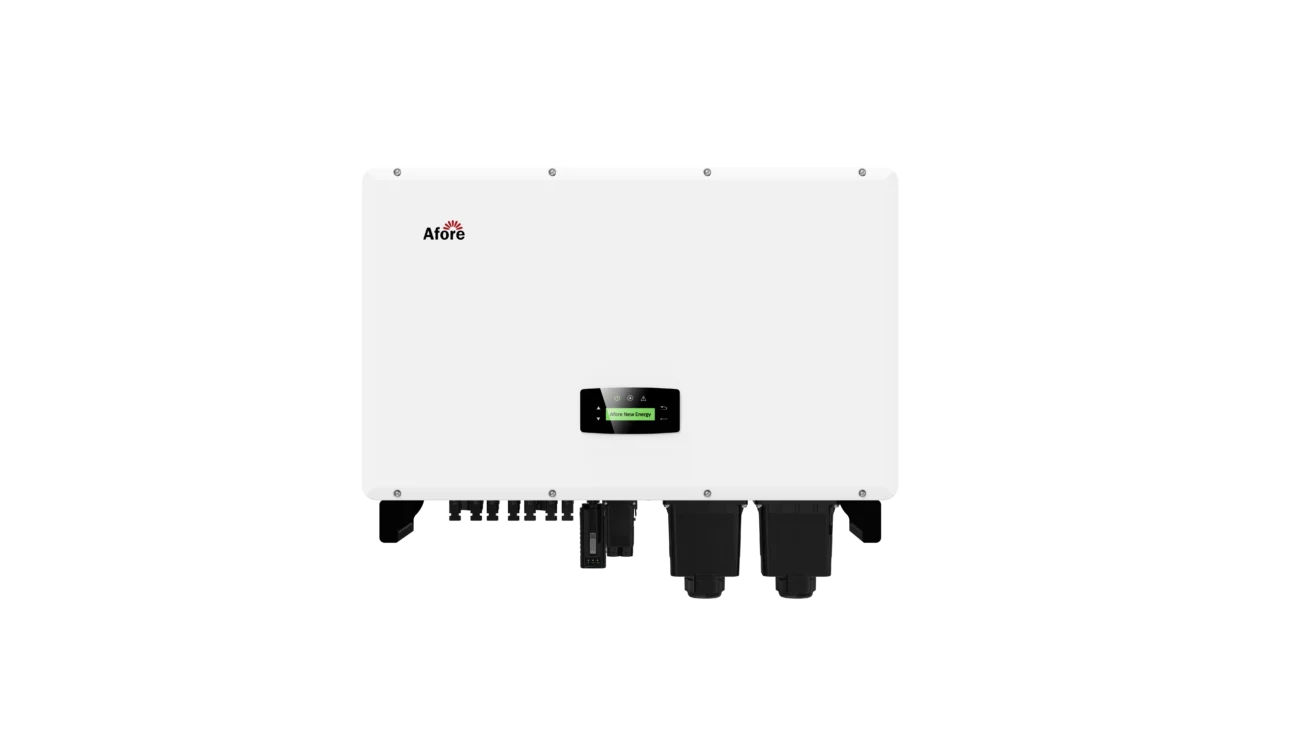
If you talk to experienced system designers, you’ll notice something interesting: PV system oversizing on the DC side is almost never an accident. It’s a deliberate design choice, backed by years of field data, performance modeling, and hard-earned experience. When done correctly, oversizing is one of the most effective ways to improve the real-world performance of a solar installation.
PV system oversizing simply means installing more DC panel capacity than the AC capacity of the solar inverter. In practical terms, this results in a solar inverter DC/AC ratio greater than 1.0.
For example, pairing a 15 kW DC array with a 10 kW inverter creates a solar inverter DC/AC ratio of 1.5. On paper, this might look unbalanced. In reality, it often leads to better annual energy production and more efficient inverter operation.
This approach is not about pushing equipment beyond safe limits. It’s about aligning system design with how solar energy actually behaves throughout the day and across seasons.
One of the main reasons engineers rely on PV system oversizing is the difference between laboratory conditions and real-world operation. Solar panels are rated under ideal test conditions that rarely exist outside a lab.
In the field, panel output is reduced by:
Because of these losses, panels spend much of the day producing well below their nameplate rating. A higher solar inverter DC/AC ratio helps compensate for this gap, allowing the inverter to reach useful output levels earlier in the day and stay productive longer in the evening.
From an energy production standpoint, PV system oversizing works because sunlight is rarely perfect. Most hours of the day operate below peak irradiance. By adding extra DC capacity, the system captures more energy during these non-peak periods.
Yes, oversizing increases the chance of inverter clipping during peak sunlight. But those peak moments represent a small fraction of annual operating hours. The additional energy harvested during low- and medium-light conditions often outweighs the energy lost to clipping.
This is where inverter clipping explained becomes important. Clipping is not a flaw; it’s a calculated trade-off that engineers accept to improve overall system output.
From a financial perspective, PV system oversizing often makes sense because DC components are generally more cost-effective than AC capacity upgrades.
Increasing inverter size can trigger higher equipment costs, stricter grid interconnection requirements, and additional infrastructure. Adding more DC panels, on the other hand, usually delivers more energy at a lower marginal cost.
A well-chosen solar inverter DC/AC ratio can:
These economic benefits are a major reason oversizing has become standard practice in commercial and large-scale systems.
A common concern with PV system oversizing is DC to AC overloading. The fear is that too much DC power will damage the inverter. In practice, modern inverters are designed to handle short-term overloading and clipping safely.
Engineers account for:
As long as the solar inverter DC/AC ratio stays within reasonable limits, overloading remains controlled and predictable. Problems typically arise only when oversizing is combined with poor thermal management or unrealistic performance assumptions.
Another reason engineers favor PV system oversizing is seasonal performance. In many regions, solar systems underperform in winter due to lower sun angles and shorter days.
Oversizing the DC side helps recover some of this seasonal loss by boosting energy production when sunlight is weaker. The result is a more balanced annual energy profile, even if some summer clipping occurs.
From experience, systems designed with this seasonal balance in mind tend to deliver more consistent year-round performance.
PV system oversizing is never arbitrary. Engineers rely on:
The goal is to find a solar inverter DC/AC ratio where the gains from extra DC capacity clearly outweigh the losses from inverter clipping. In most cases, this sweet spot falls between 1.2 and 1.5, depending on system type and location.
One misconception is that oversizing automatically wastes energy. In reality, wasted energy only occurs during limited clipping periods. The majority of the time, the system benefits from higher DC availability.
Another misunderstanding is that oversizing shortens inverter life. In practice, inverter stress is more closely related to temperature and installation quality than to the solar inverter DC/AC ratio itself.
DC to AC overloading is a term that often sparks concern, but it’s not always catastrophic.
Overloading occurs when the DC input exceeds the inverter’s capacity for extended periods. While occasional overload is expected, sustained overloading can:
Personal note: In my experience, most commercial installations with a 1.3–1.5 DC/AC ratio rarely hit dangerous overloading. The key is smart design, not fear.
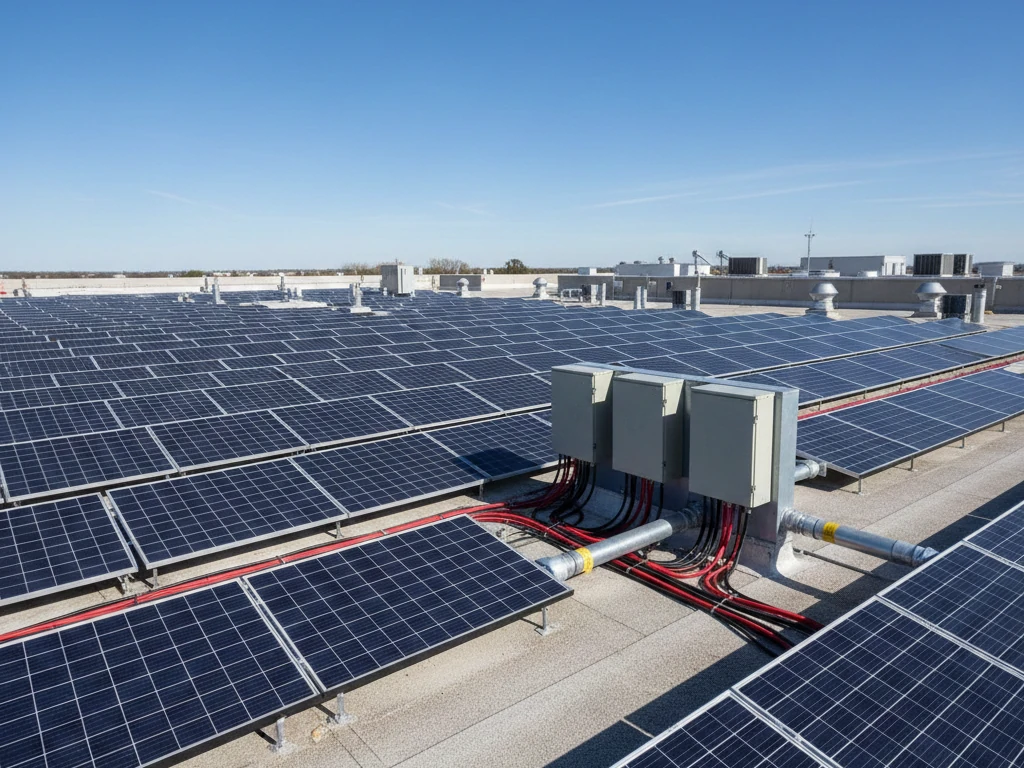
Once the concepts behind DC oversizing and inverter behavior are clear, the next step is learning how to calculate the solar inverter DC/AC ratio correctly. This calculation may look simple on the surface, but small misunderstandings can lead to poor design decisions, unexpected inverter clipping, or missed energy potential. Let’s walk through it in a practical, experience-based way.
At its simplest, the solar inverter DC/AC ratio is calculated using a straightforward formula:
solar inverter DC/AC ratio = total DC array capacity ÷ inverter rated AC output
If a PV system has 14 kW of installed DC panel capacity and the inverter is rated for 10 kW of AC output, the solar inverter DC/AC ratio is 1.4.
This number represents how aggressively the DC side of the system is sized relative to the inverter. A ratio close to 1.0 means little to no DC oversizing. A higher ratio means more reliance on PV system oversizing to improve annual energy production.
One common mistake I see is miscalculating the DC side of the system. Total DC capacity should be based on the sum of the nameplate ratings of all installed panels, measured under standard test conditions.
When calculating DC capacity, engineers account for:
It’s important not to apply temperature or soiling derates at this stage. Those losses are handled later in performance modeling, not in the solar inverter DC/AC ratio calculation itself.
The AC rating used in the solar inverter DC/AC ratio calculation is the inverter’s continuous AC output capacity, not short-term peak ratings.
This distinction matters. Some inverters can briefly exceed their rated AC output under ideal conditions, but those short-term peaks should not be used when calculating the DC/AC ratio. Engineers always design around sustained, continuous operation.
Using the correct AC rating ensures that expectations around inverter clipping explained remain realistic and predictable.
Let’s look at a practical example:
solar inverter DC/AC ratio = 18 ÷ 12 = 1.5
With a 1.5 ratio, the system will likely experience some clipping during peak sun hours. However, it will also produce more energy during mornings, afternoons, and winter months compared to a system with a lower ratio.
This is a textbook case of intentional PV system oversizing used to improve annual performance rather than chase perfect midday output.
When it comes to commercial installations, the solar inverter DC/AC ratio stops being a simple design choice and becomes a strategic decision. Larger system sizes, tighter financial margins, and stricter grid requirements mean that small miscalculations can have long-term consequences. This is where experience, data, and careful modeling really matter.
Commercial solar systems operate under very different conditions compared to residential setups. Load profiles are more predictable, system uptime expectations are higher, and energy production is closely tied to financial performance.
Because of this, commercial designers often push the solar inverter DC/AC ratio higher than in residential systems. Ratios between 1.2 and 1.5 are common, and in some cases even higher, depending on site conditions.
The reasoning is straightforward: commercial systems benefit more from maximizing annual energy yield than from eliminating short periods of inverter clipping.
In commercial projects, inverter utilization is a key performance indicator. An inverter that spends most of the day operating far below its rated capacity represents underused capital.
A carefully selected solar inverter DC/AC ratio keeps the inverter working closer to its optimal efficiency range for more hours per day. This improves:
From field experience, systems designed with conservative ratios often underperform financially, even if they look “safe” on paper.
Commercial rooftops and ground-mounted systems often experience strong, sustained solar exposure. This makes inverter clipping explained especially relevant.
Clipping in commercial systems is typically:
Rather than avoiding clipping entirely, engineers aim to control it. Minor clipping during peak production hours is considered a reasonable trade-off for higher output across the rest of the day.
One advanced factor unique to commercial projects is grid interconnection limits. In many regions, the maximum AC export capacity is fixed by the utility.
In these cases, increasing inverter size may not be an option at all. PV system oversizing on the DC side becomes the only viable way to increase total energy production without violating grid constraints.
Here, the solar inverter DC/AC ratio becomes a powerful optimization lever rather than a purely technical parameter.
Commercial systems often place multiple inverters in confined electrical rooms or enclosures. This makes thermal management critical, especially when operating with higher DC to AC ratios.
Engineers must consider:
In real-world systems, most inverter-related issues stem from poor thermal design rather than an aggressive solar inverter DC/AC ratio.
Commercial solar projects are typically backed by detailed energy models that project output over 20 to 30 years. These models account for:
A higher solar inverter DC/AC ratio helps offset long-term degradation, ensuring that energy targets remain achievable even as components age.
From a lifecycle perspective, this approach supports stable revenue and predictable system behavior.
Unlike smaller systems, commercial installations rely heavily on ongoing performance monitoring. Data from these systems often reveals that actual clipping losses are lower than initial estimates.
This real-world feedback allows operators to:
In experienced hands, monitoring turns the DC/AC ratio from a static design choice into a dynamic performance tool.
For commercial investors, risk management is just as important as energy output. A well-justified solar inverter DC/AC ratio reduces financial risk by improving yield predictability.
Lenders and stakeholders tend to favor designs that:
This alignment between engineering and finance is one of the reasons higher DC/AC ratios are widely accepted in commercial solar today.
Commercial solar design leaves little room for guesswork. Every decision around the solar inverter DC/AC ratio must be supported by data, modeling, and field experience.
When handled correctly, advanced DC/AC ratio strategies deliver higher energy output, stronger financial performance, and long-term system reliability. In commercial solar systems, this ratio isn’t just a number—it’s a reflection of professional judgment and real-world understanding.
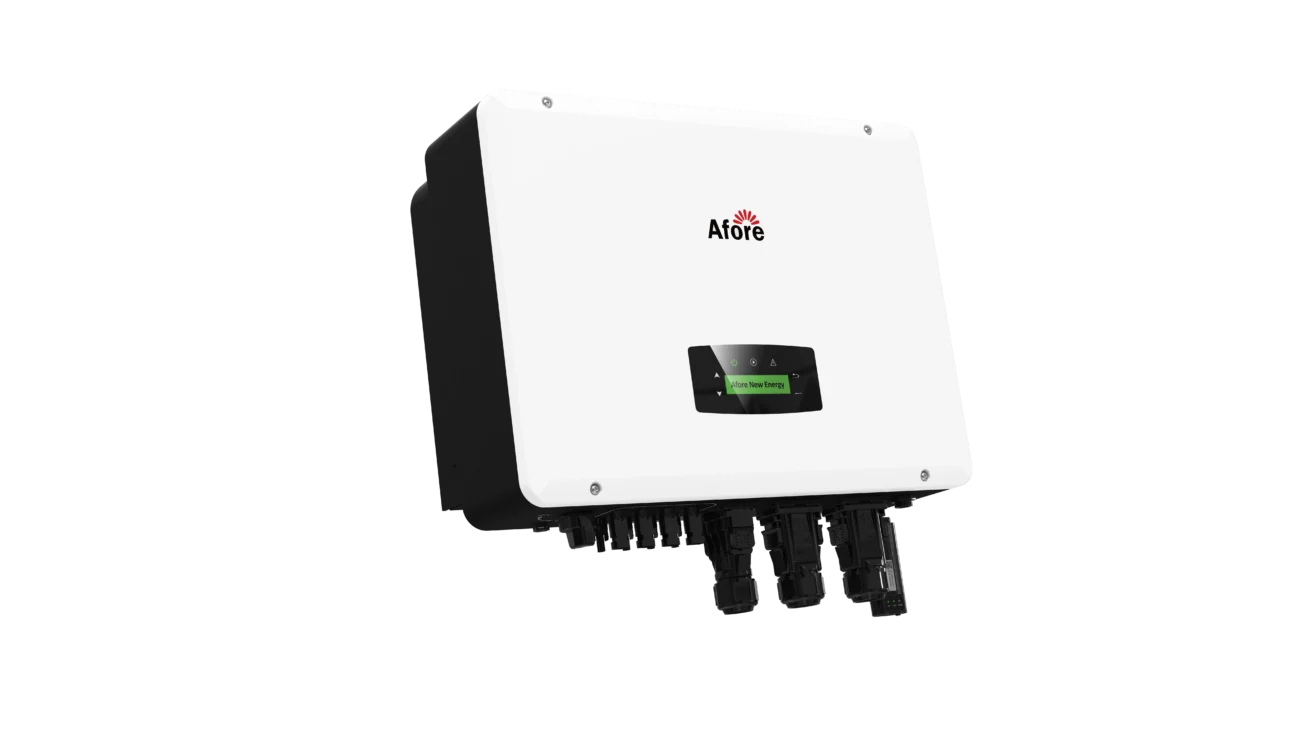
Understanding the solar inverter DC/AC ratio is crucial for anyone serious about PV system performance. Oversizing the DC side strategically, monitoring inverter performance, and accounting for clipping ensures you get the maximum energy yield without compromising your inverter. Whether residential or commercial, the DC/AC ratio is more than a technical number—it’s a tool to optimize your solar investment, boost efficiency, and make your PV system resilient.
Typically, 1.2–1.5. This ratio balances efficiency, energy yield, and inverter safety while accounting for seasonal and daily solar variations.
Not usually. Modern inverters handle temporary DC overloading and clipping without damage. Excessive, sustained overload, however, can reduce lifespan.
Oversizing captures more energy during low-light periods, compensates for panel aging, and boosts ROI despite minor clipping during peak sun hours.
Inverter clipping occurs when DC production exceeds AC capacity. Minor clipping is normal and expected; it’s only concerning if it’s excessive.
Approximate clipping loss:
(DC/AC−1)×100×0.8=(1.5−1)×100×0.8=40%
This is theoretical; real-world clipping loss is usually lower due to shading and temperature effects.








 Turkish
  Romanian