



In today’s rapidly evolving energy landscape, the way we produce, manage, and consume electricity is changing faster than ever. One of the most exciting developments in this space is the rise of VPP inverters—key components in the next generation of energy systems. But what exactly is a VPP inverter, and why should homeowners, businesses, and energy professionals care?
In this article, we’ll break down everything you need to know about VPP inverters, from Virtual Power Plant technology and grid services inverters to their practical applications in modern energy networks. Whether you’re a seasoned installer, a business owner considering renewable energy integration, or simply curious about smart energy aggregators, this guide will provide hands-on insights, real-world examples, and actionable tips.
At its core, a VPP inverter is a device that converts electricity from sources like solar panels or batteries into a format compatible with the grid, while also enabling advanced network features. Unlike traditional solar inverters, which simply handle power conversion, VPP inverters are capable of communicating with centralized systems that orchestrate multiple energy sources—essentially forming a Virtual Power Plant.
Think of a VPP inverter as the bridge between your energy system and a larger, coordinated power network. It doesn’t just feed energy into the grid—it actively participates in stabilizing it.
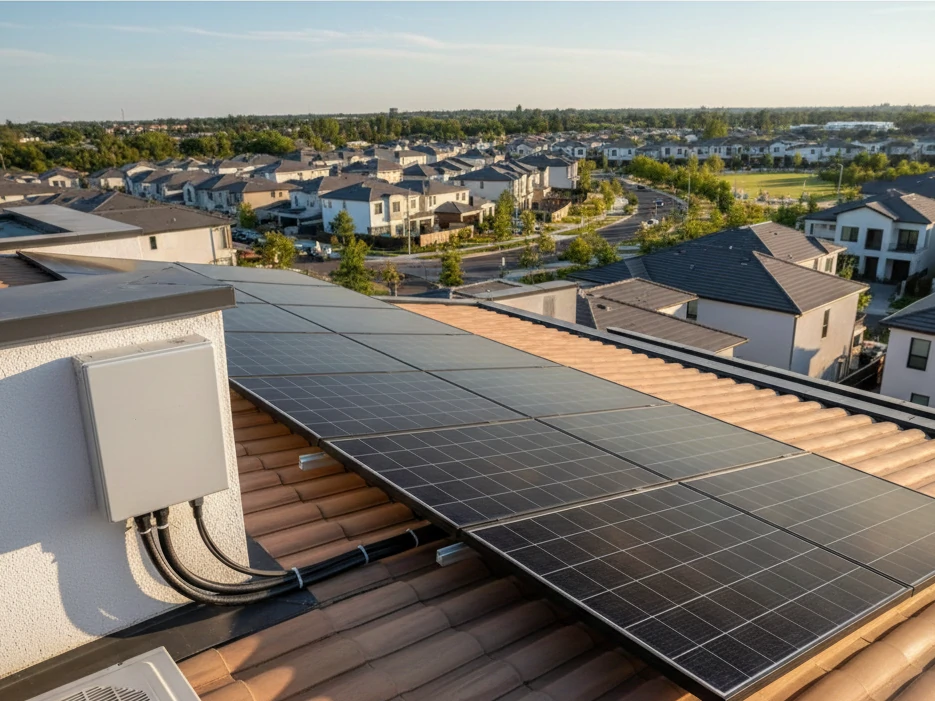
Virtual Power Plant technology is reshaping the energy sector. Instead of relying on a few massive power plants, utilities can now leverage distributed energy resources like rooftop solar, battery storage, and flexible loads.
A VPP works by aggregating multiple small-scale energy producers into a single controllable unit. This is where smart energy aggregators come into play—they monitor and manage each VPP inverter to ensure consistent supply and demand balancing.
One of the main advantages of Virtual Power Plant technology is the ability to provide grid services such as:
With a grid services inverter, every kilowatt of energy can contribute to stabilizing the grid, while also earning potential revenue for participants.
Investing in a VPP inverter is more than just upgrading your solar or energy storage system—it’s about unlocking a smarter, more profitable, and grid-friendly way to manage electricity. From financial gains to sustainability, the advantages span multiple levels. Let’s break down the key benefits so you can see why more homeowners, businesses, and energy professionals are making the switch.
One of the biggest draws of a VPP inverter is its ability to generate income beyond just lowering your energy bills. By participating in programs enabled by Virtual Power Plant technology, your system can provide services to the grid, such as demand response or frequency regulation.
For example, a business with rooftop solar and battery storage can schedule excess energy to be sent back to the grid during peak hours. Thanks to a grid services inverter, this energy is automatically optimized for revenue, and participation can even qualify for special utility incentives.
Unlike traditional solar setups, which only save money on electricity, a VPP inverter turns your energy assets into an active source of income. Over time, these earnings can offset installation costs, making it a financially savvy investment.
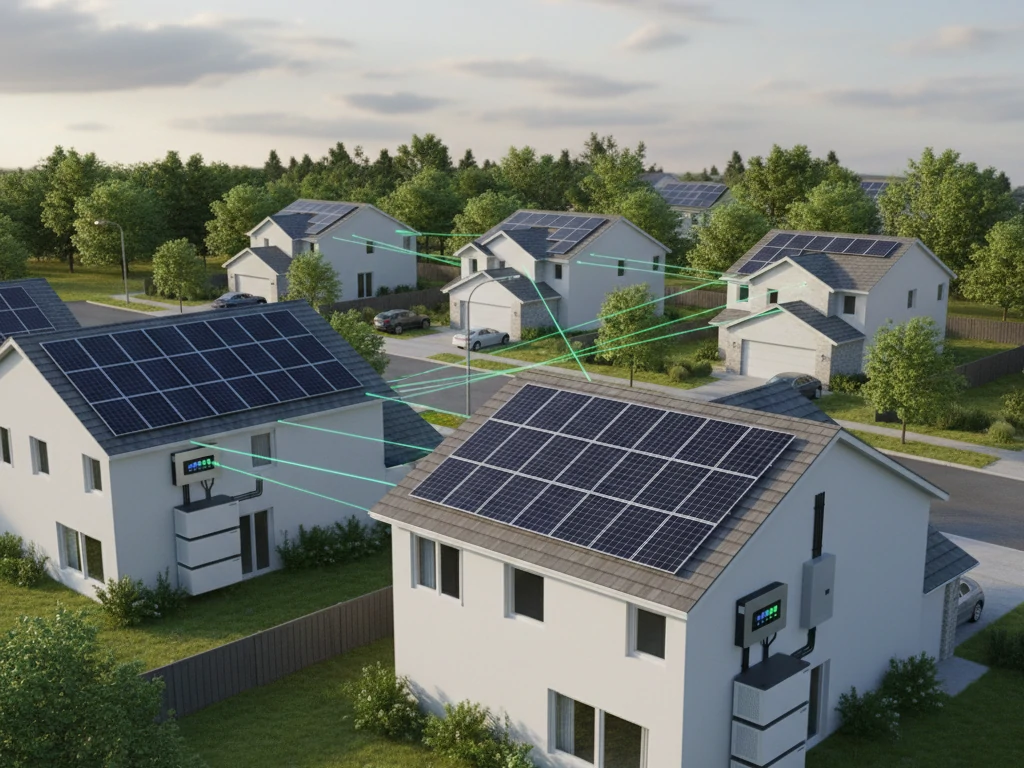
Beyond personal financial benefits, VPP inverters play a crucial role in stabilizing the local electricity grid. Distributed energy resources, when coordinated through smart energy aggregators, act like a digital power plant.
Here’s how it works in practice: during times of high demand, your VPP inverter can automatically reduce consumption, discharge stored energy, or temporarily reroute power to help balance the grid. This not only prevents outages but also supports frequency and voltage regulation. By participating, you’re actively contributing to a more resilient and reliable grid infrastructure—something utilities are increasingly valuing and incentivizing.
A VPP inverter allows you to take full advantage of renewable energy sources, especially when paired with solar panels or batteries. Instead of wasting excess solar production, the inverter intelligently directs energy to where it’s needed most, whether that’s your home, a storage system, or the local grid.
By coordinating with a smart energy aggregator, your system can respond in real-time to energy demand and market signals. This ensures that more of the renewable energy you produce is actually used or monetized, rather than lost. It’s a practical, real-world way to increase sustainability while reducing reliance on fossil-fuel-generated power.
Installing a VPP inverter isn’t just about revenue or environmental impact—it also gives you unprecedented control over your energy system. Modern inverters provide detailed analytics, showing how much energy is being produced, stored, or exported.
With the insights provided by a grid services inverter, you can optimize consumption, schedule battery usage, and even forecast energy needs based on patterns and market pricing. This hands-on control empowers homeowners and businesses to make smarter energy decisions and reduces the uncertainty often associated with renewable energy systems.
Energy technology is evolving rapidly, and systems installed today need to be ready for tomorrow. A VPP inverter ensures compatibility with emerging Virtual Power Plant technology and future grid services.
Even if you don’t immediately participate in VPP programs, having a capable inverter means you can easily integrate additional solar panels, batteries, or electric vehicle chargers down the line. By preparing your system now, you’re not just keeping up with trends—you’re positioning yourself at the forefront of the smart energy revolution.
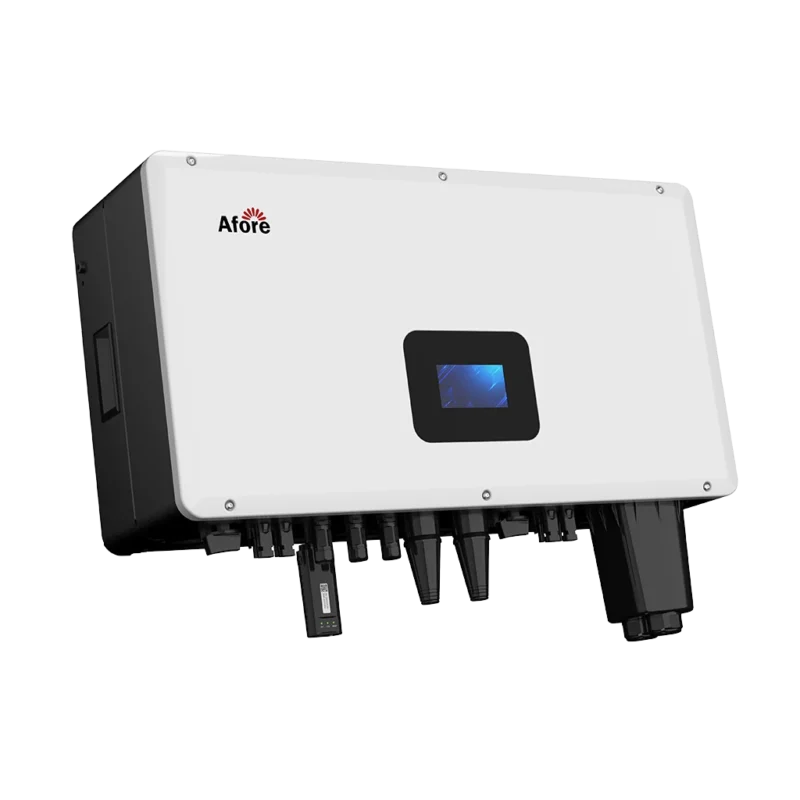
Selecting the right VPP inverter is a critical step in maximizing the benefits of Virtual Power Plant technology. With so many options on the market, it’s not just about picking the cheapest model or the one with the highest wattage. The right inverter ensures seamless integration with the grid, optimized energy dispatch, and long-term reliability. Below, we break down the essential factors to consider when choosing your VPP inverter
The most important factor when selecting a VPP inverter is its compatibility with Virtual Power Plant technology. Not every inverter is capable of communicating with a VPP system or responding to grid signals.
Look for an inverter that supports standard communication protocols commonly used in VPPs, such as Modbus, SunSpec, or IEEE 2030.5. These protocols allow your grid services inverter to exchange real-time data with a smart energy aggregator, enabling automatic load balancing, frequency regulation, and demand response. Choosing a compatible inverter ensures that your system can participate fully in VPP programs without technical hiccups.
A VPP inverter should be able to grow with your energy needs. If you plan to add more solar panels, batteries, or even electric vehicle chargers in the future, make sure your inverter can handle increased capacity.
Scalability is crucial for both residential and commercial applications. A flexible grid services inverter can integrate additional energy resources without requiring a complete system overhaul, saving both time and money in the long run. The ability to scale also ensures continued participation in Virtual Power Plant technology programs as your energy profile evolves.
Efficiency is a key consideration for any inverter, but especially for a VPP inverter. High-efficiency models ensure minimal energy loss during conversion and allow you to maximize the value of your solar or battery assets.
Pay attention to peak efficiency ratings, operational range, and the inverter’s ability to handle variable renewable energy inputs. A well-performing VPP inverter not only reduces wasted energy but also improves reliability when connected to a smart energy aggregator that dispatches energy based on real-time grid needs.
Investing in a VPP inverter is a long-term decision, so reliability is non-negotiable. Look for inverters with robust safety features, such as overvoltage protection, thermal management, and fault detection.
A reliable grid services inverter minimizes downtime and ensures that your energy system can consistently participate in VPP programs. Additionally, built-in monitoring and reporting tools allow you to track system performance, anticipate maintenance needs, and prevent costly failures. This layer of protection is essential, especially when your system is actively supporting the grid.
Many users already have solar inverters or battery storage installed. Your VPP inverter should integrate seamlessly with these existing systems.
Check that the inverter can operate in parallel with standard solar inverters and communicate effectively with smart energy aggregators. Proper integration allows you to coordinate energy flows, optimize battery usage, and maintain control over your energy assets without complex manual adjustments. A smooth integration also reduces installation time and costs.
Modern VPP inverters often come with built-in monitoring and analytics features. These tools provide valuable insights into energy production, storage, and export to the grid.
Having a grid services inverter with robust reporting capabilities allows you to make data-driven decisions. For instance, you can adjust energy dispatch based on real-time grid signals, track revenue from VPP participation, and plan maintenance before issues arise. The combination of real-time control and historical data analysis ensures you get the maximum value from your Virtual Power Plant technology investment.
Finally, consider the total cost of ownership rather than just the upfront price. While VPP inverters may have a higher initial cost than traditional inverters, their ability to generate revenue, reduce energy waste, and provide grid services often makes them a smart long-term investment.
When evaluating cost, factor in installation, maintenance, potential incentives, and future expansion needs. A high-quality VPP inverter pays for itself over time through efficiency gains, participation in smart energy aggregator programs, and possible utility incentives.
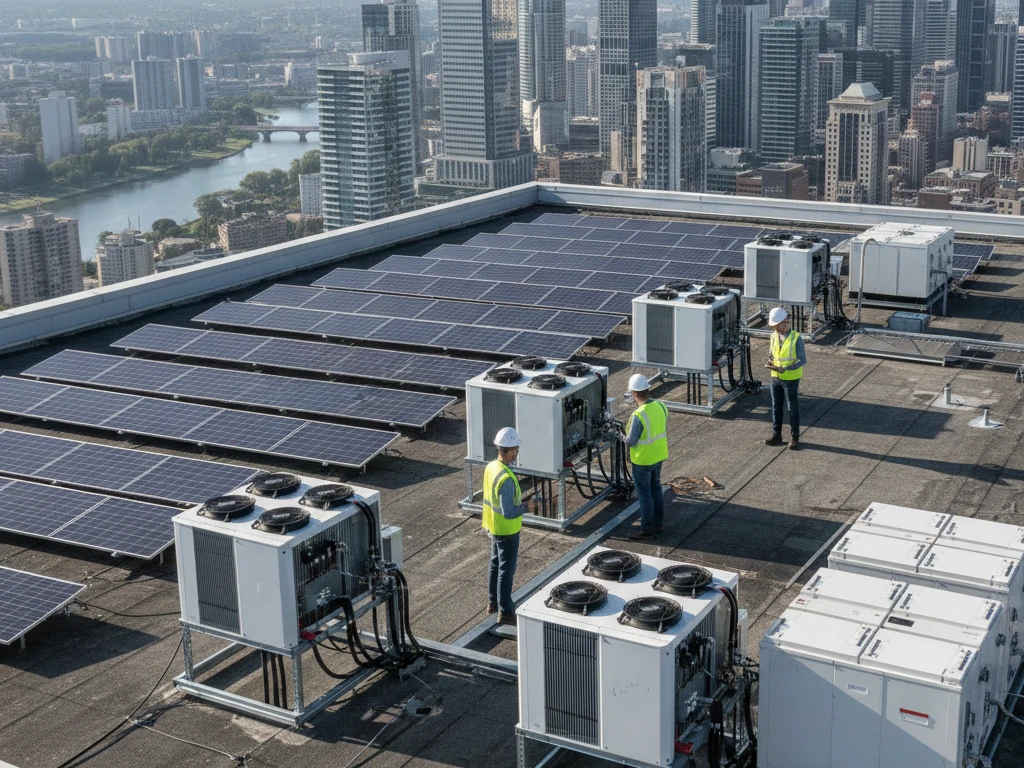
Installing a VPP inverter isn’t just about plugging it in and flipping a switch. To fully leverage Virtual Power Plant technology and ensure smooth operation with grid services inverters and smart energy aggregators, careful planning, precise setup, and ongoing monitoring are essential. A well-executed installation not only boosts efficiency but also maximizes revenue opportunities and system longevity.
Before installation begins, assess your site carefully. Consider the following:
Taking the time to perform a proper site assessment reduces installation errors and ensures that your grid services inverter can communicate reliably with your smart energy aggregator.
While some inverters are marketed as “easy-install,” a VPP inverter integrates with advanced Virtual Power Plant technology and often requires specialized setup. Hiring experienced technicians ensures:
Professional installers can also help coordinate your grid services inverter with existing solar inverters and storage systems, avoiding compatibility issues that could limit VPP participation.
A VPP inverter requires both electrical and communication connections to operate effectively. Key considerations include:
Correct wiring and communication setup allow the inverter to respond to real-time grid signals, participate in demand response, and optimize energy dispatch efficiently.
Once installed, calibration and configuration are essential for maximizing performance:
A properly calibrated inverter operates seamlessly with the grid and helps you earn revenue through grid services programs while maintaining system stability.
Installation isn’t the end of the process. Continuous monitoring and maintenance are key to long-term success:
Routine attention ensures your grid services inverter continues performing efficiently and participating fully in VPP programs.
Following these best practices ensures that your VPP inverter not only functions correctly but also delivers the financial, environmental, and grid-support benefits that make VPP participation worthwhile.
The versatility of VPP inverters means they are used in residential, commercial, and utility-scale scenarios.
Homeowners can use a VPP inverter to manage solar panels and battery storage, selling excess energy back to the grid during peak hours.
Businesses with large rooftops or on-site storage can participate in demand response programs, leveraging grid services inverters to earn revenue while reducing energy costs.
Neighborhoods or industrial parks can pool resources through smart energy aggregators, effectively creating a mini Virtual Power Plant that supports the local grid.
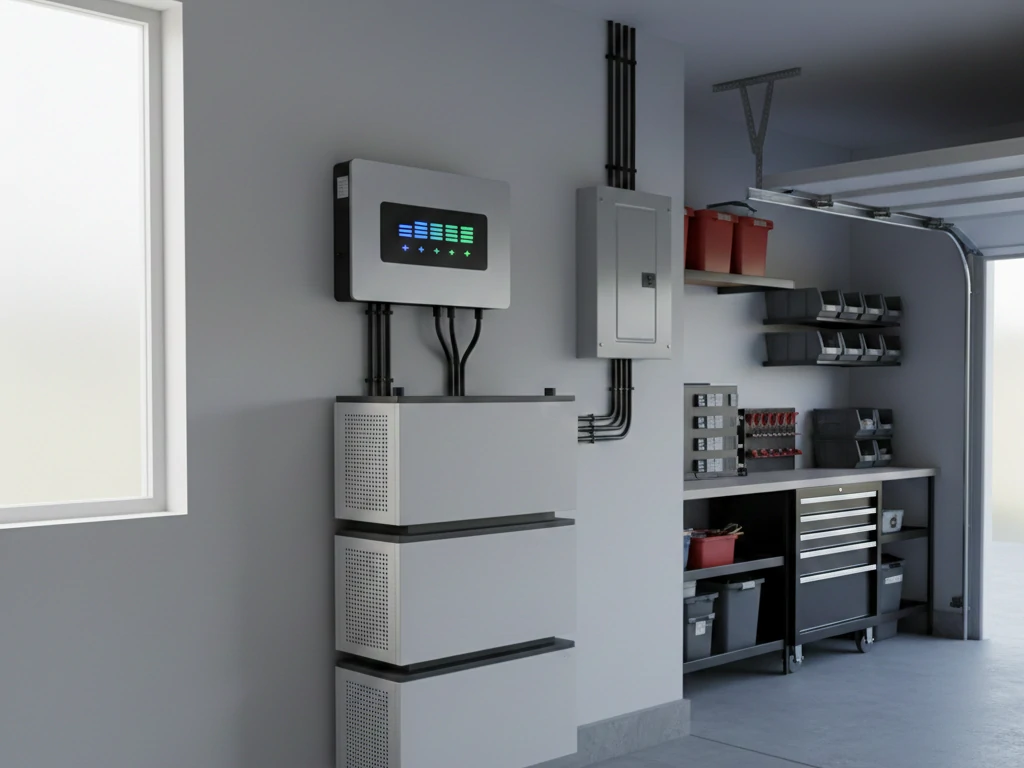
VPP inverters represent more than just a technological upgrade—they are a paradigm shift in energy management. By participating in Virtual Power Plant technology, users can increase renewable energy adoption, stabilize the grid, and even generate revenue. Whether you’re a homeowner, business, or energy professional, embracing grid services inverters and smart energy aggregators positions you at the cutting edge of the energy revolution.
In a world moving toward decentralization and sustainability, VPP inverters are not just optional—they’re essential. Start exploring your options today, and take an active role in shaping the future of energy.
A VPP-ready inverter is a device capable of communicating with a Virtual Power Plant, allowing energy from solar panels, batteries, or other sources to be aggregated and managed collectively for grid services.
Businesses can earn revenue by providing demand response, selling excess electricity, or participating in grid support programs. Grid services inverters enable automated interaction with utility platforms, simplifying the process.
Most VPPs rely on standardized communication protocols such as Modbus, SunSpec, or IEEE 2030.5. Compatibility ensures smooth integration and reliable data exchange between VPP inverters and the smart energy aggregator.
A VPP coordinates multiple distributed energy resources to provide frequency regulation, voltage support, and peak shaving, ensuring the grid remains stable even during high demand or intermittent renewable generation.
This depends on the local policy, but in many cases, having VPP-capable solar inverters qualifies participants for additional incentives or premium feed-in tariffs.








 Turkish
  Romanian