



Managing energy in a home or business with solar panels can sometimes feel like juggling too many balls at once. That’s where solar inverter load management comes in. By intelligently controlling how your energy is used, you ensure your solar inverter runs efficiently, protects your appliances, and reduces waste. Whether you’re new to solar systems or looking to optimize an existing setup, understanding load management can save you money, extend your inverter’s life, and maximize renewable energy usage. In this article, we’ll break down the principles, practical strategies, and real-life tips for mastering solar inverter load management, so you get the most out of every ray of sunlight.
If you’ve ever wondered why sometimes your solar system doesn’t seem to deliver as much energy as expected, the culprit might be poor solar inverter load management. In simple terms, load management is all about balancing the electricity your solar panels generate with the devices and appliances that consume it. Think of it as traffic control for electricity: without it, your solar energy might not go where it’s needed most—or worse, it could overload your inverter.
A solar inverter doesn’t just convert DC to AC electricity; it also acts as the brain of your solar system. When you implement effective load management, you’re essentially telling this brain which appliances get priority, how much energy to send where, and when to draw from storage if necessary. This ensures efficiency, safety, and longevity for your entire system.
You might ask, “Do I really need load management?” The answer is a resounding yes. Without proper management, you risk:
Good solar inverter load management ensures your system runs smoothly, your bills stay low, and you maximize renewable energy use. From residential homes to small businesses, the principle is the same: prioritize, schedule, and monitor.
Some people think a solar inverter can handle anything thrown at it, but that’s not the case. Just like any electronic device, inverters have limits. Ignoring load management can lead to unexpected shutdowns, reduced efficiency, and even damage. Another misconception is that load management is complicated—it doesn’t have to be. Even simple scheduling of high-demand appliances can make a huge difference.

Before diving deeper into load management, it’s important to understand how a solar inverter functions. Essentially, it converts the DC electricity from solar panels into AC electricity usable in your home or business. Modern inverters also come with features like monitoring, grid synchronization, and protection mechanisms—all crucial for efficient solar inverter load management.
No inverter is 100% efficient. Energy is lost during conversion, and excessive loads can exacerbate these losses. By implementing smart load management, you reduce unnecessary stress on the inverter, helping it operate closer to its peak efficiency. This directly translates into more usable energy and lower utility costs.
Your solar inverter isn’t just a converter—it’s the central hub that balances energy supply and demand. By leveraging built-in features or external monitoring systems, you can prioritize appliances, shed unnecessary loads, and ensure your solar energy is used where it’s most needed.
When it comes to getting the most out of your solar system, understanding the key principles of solar inverter load management is absolutely essential. It’s not just about flipping switches or plugging in appliances—it’s about creating a smart energy flow that balances generation, storage, and consumption. Let’s break down the core principles that every homeowner or installer should keep in mind.
The first principle of effective solar inverter load management is simple: match your energy consumption to the electricity your panels are producing. For example, running high-power appliances like washing machines, dishwashers, or water heaters during peak sunlight hours ensures that the energy is used efficiently rather than being drawn from the grid. This not only reduces your electricity bills but also minimizes stress on the solar inverter, helping it operate at peak efficiency. The idea is to make your system work with nature, not against it.
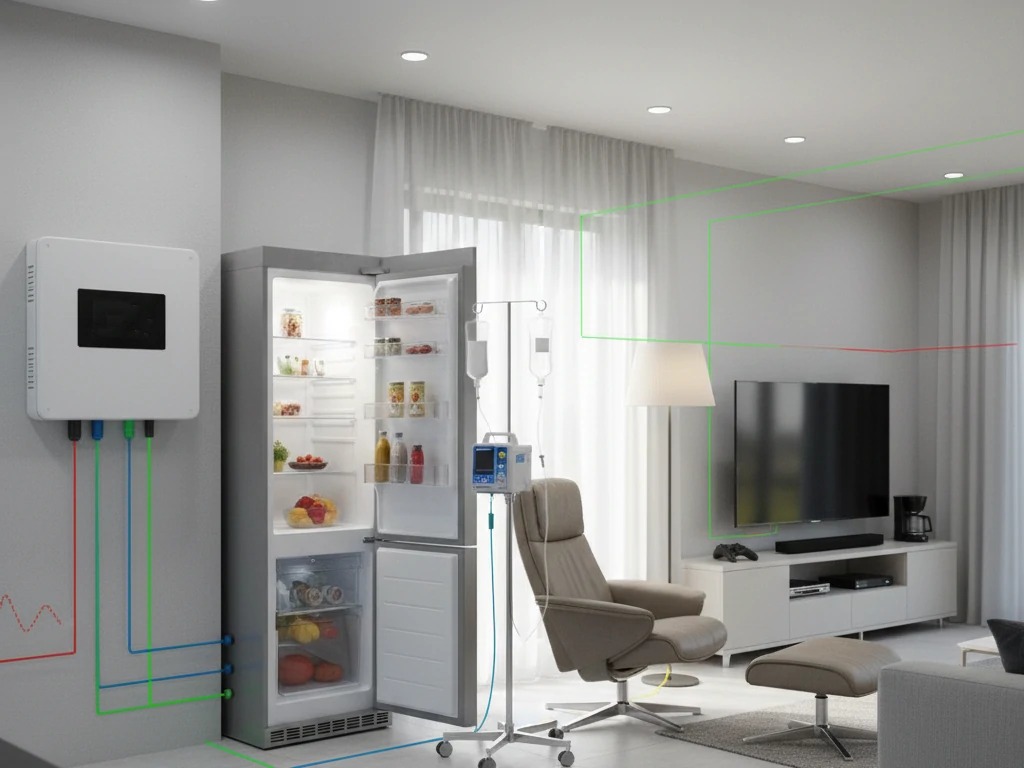
Not all devices are equal when it comes to energy consumption. Critical appliances—think refrigerators, freezers, medical equipment, or security systems—should always have priority. Effective solar inverter load management ensures these loads remain powered even when energy production dips or battery levels are low. By setting priorities, you protect essential functions and prevent inconvenient or even dangerous outages.
One of the most overlooked principles is avoiding overload. Piling too many high-consumption devices onto your solar inverter at the same time can cause it to overheat, trip, or even suffer permanent damage. Proper load management involves monitoring total energy draw and setting limits to prevent stress. Many modern inverters allow users to configure maximum load thresholds, but even in simpler setups, staggering appliance usage is a practical solution.
Load shedding may sound complicated, but it’s really just smart energy triage—turning off or reducing non-essential loads during peak demand to protect your inverter and maintain critical functions. Automation can make this process seamless. Smart switches, timers, or home energy management systems can dynamically control which devices are running, ensuring your solar inverter load management is optimized without constant manual adjustments. For instance, your system can temporarily power down a pool pump while keeping the fridge and lights running, maximizing both efficiency and safety.
A principle that ties everything together is continuous monitoring. Your solar inverter generates a lot of valuable data: energy production, consumption patterns, battery levels, and grid interaction. Regularly reviewing this data allows you to adjust priorities, optimize schedules, and respond to seasonal changes or unexpected high loads. Real-time monitoring transforms load management from guesswork into a precise, controllable system.
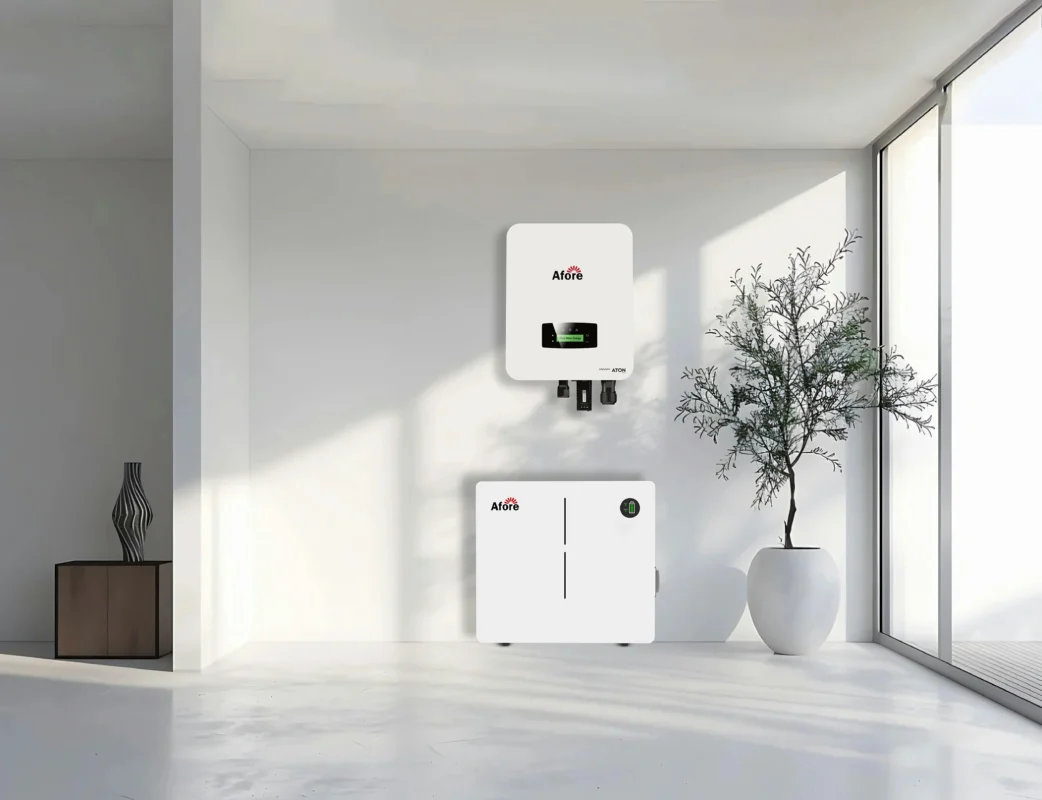
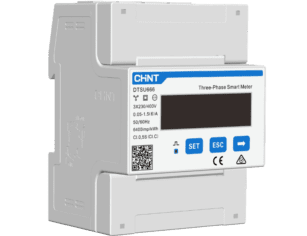
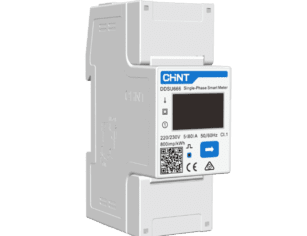
One of the most effective ways to implement solar inverter load management is through energy monitoring. Smart meters track usage in real-time, showing exactly where your energy goes. Some even integrate with apps to provide suggestions on reducing waste.
Scheduling high-demand devices is a game-changer. For instance, setting your water heater or laundry machine to run during peak sunlight hours ensures you’re using solar energy instead of drawing from the grid.
If your system includes a battery, it becomes much easier to manage loads. Excess energy can be stored and deployed during low production periods. Proper solar inverter load management ensures your battery cycles efficiently, prolonging its life and maximizing self-consumption.
Home automation can take load management to the next level. Smart thermostats, connected appliances, and IoT devices can adjust in real-time based on solar production and consumption patterns. This approach reduces human error and keeps your solar inverter operating optimally.
Even with a well-designed solar system, real-world usage often exposes problems that weren’t obvious at installation. This is where solar inverter load management either proves its value or shows its weaknesses. Understanding these common challenges—and knowing how to respond—can make the difference between a system that merely works and one that truly performs.
One of the most common issues in solar inverter load management is handling peak loads. This usually happens when multiple high-power appliances run at the same time—think cooking, heating water, and running air conditioning all within a short window. The result? Sudden spikes that push the solar inverter close to its limits.
The solution isn’t necessarily upgrading hardware. In most cases, smarter scheduling solves the problem. Staggering appliance usage, shifting non-essential loads to off-peak hours, and prioritizing critical devices all help smooth out demand. From experience, even small changes—like delaying a washing cycle by an hour—can dramatically reduce peak stress on the inverter.
For grid-connected systems, voltage instability is another frequent challenge. Changes in grid voltage or sudden feed-in limits can affect how efficiently your inverter operates. Without proper solar inverter load management, these fluctuations may cause reduced output or temporary shutdowns.
A practical approach is balancing self-consumption with grid interaction. By increasing on-site usage during high production periods, you reduce dependency on unstable grid conditions. Monitoring voltage trends and adjusting load priorities accordingly helps maintain system stability and protects the solar inverter from unnecessary strain.
Surprisingly, many performance issues come down to incorrect settings rather than hardware faults. Poorly configured priorities, unrealistic load limits, or outdated schedules can undermine even the best systems. This is a silent killer of effective solar inverter load management.
Regular reviews are key. Revisit your load priorities every few months, especially after adding new appliances or changing usage habits. A system that worked perfectly last year might struggle today simply because energy demand has evolved. Treat load management as a living setup, not a one-time configuration.
Solar production isn’t constant, and that’s a reality many users underestimate. Shorter days, cloudy weather, or seasonal shifts can significantly reduce output. Without adaptive solar inverter load management, users often experience unexpected shortages or over-reliance on backup power.
The best strategy here is flexibility. During low-production periods, reduce or reschedule non-essential loads and focus on essentials. In systems with storage, careful battery management becomes critical. By aligning consumption with realistic generation levels, you avoid unnecessary stress on your solar inverter and maintain consistent performance year-round.
Human behavior is often the wildcard. Guests, holidays, or changes in daily routine can throw carefully planned load schedules off balance. Even the most advanced solar inverter load management strategy can fail if usage patterns suddenly change.
The solution lies in awareness and education. Understanding which appliances draw the most power and how they impact the inverter empowers users to make smarter choices in real time. In practice, households that track their energy usage tend to adapt faster and experience fewer system issues.
I’ve visited homes where families schedule their laundry, dishwasher, and pool pump to run exclusively during peak solar hours. With proper solar inverter load management, they cut their grid dependency by almost 50%.
Off-grid systems benefit immensely from load management because there’s no grid backup. Grid-tied systems, while more forgiving, still gain efficiency and reduced energy bills when loads are intelligently managed.
From experience, I’ve noticed the biggest improvements come from a combination of monitoring, scheduling, and automation. Small tweaks, like shifting the timing of your kettle or heater, can yield surprisingly large savings.
AI-powered systems promise real-time adjustments based on consumption patterns, weather forecasts, and energy pricing. This is the future of solar inverter load management, offering near-perfect efficiency.
EVs can act as both loads and storage. Intelligent solar inverter load management can schedule vehicle charging during peak solar production, turning a potential problem into an asset.
IoT devices provide granular control over every appliance. Combined with advanced solar inverter load management, homes can become fully autonomous in energy usage, reducing waste and cost.
By avoiding overloads and stress, your solar inverter lasts longer, ensuring a higher return on investment.
Smart load management directly reduces grid consumption, lowering your monthly bills.
Optimizing energy use means relying less on fossil fuels. Effective solar inverter load management contributes to a greener, more sustainable future.
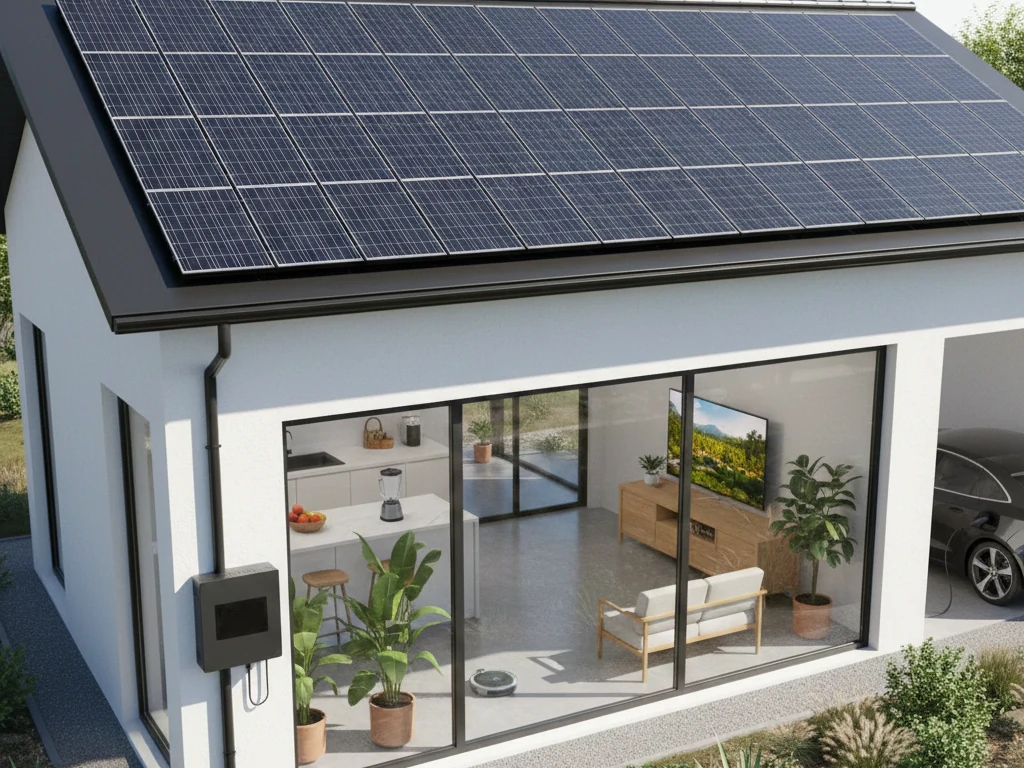
Without prioritization, critical appliances might fail during peak loads, undermining efficiency.
Many users overload their solar inverter unknowingly. Setting thresholds and schedules prevents costly damage.
Regular system checks are vital. Monitoring performance, cleaning panels, and verifying load configurations keep everything running smoothly.
Solar inverter load management is the process of controlling how and when electrical devices use power produced by your solar system. Instead of letting all appliances run freely, the system prioritizes, schedules, or limits loads so your solar inverter operates efficiently without overload. In short, it helps your solar energy work smarter, not harder.
Without proper solar inverter load management, your system may waste solar energy, overload the inverter, or rely too heavily on the grid. Load management ensures energy is used at the right time, protects the inverter from stress, and improves overall efficiency. It’s one of the key factors in long-term system reliability.
Yes, absolutely. One of the biggest causes of inverter failure is repeated overload and overheating. Effective solar inverter load management reduces sudden power spikes and keeps the inverter operating within safe limits, which can significantly extend its working life.
Many people assume load management is only for large systems, but that’s a mistake. Even small residential setups benefit from solar inverter load management, especially when multiple appliances are used simultaneously. Simple scheduling alone can noticeably improve performance and reduce energy waste.
Battery storage is helpful but not mandatory. Solar inverter load management can work perfectly without batteries by shifting energy use to peak production hours. Batteries simply add flexibility by storing excess energy for later use, especially during low-sunlight periods.
Ignoring solar inverter load management often leads to frequent inverter shutdowns, poor energy utilization, higher electricity bills, and faster system wear. Over time, this can reduce the return on your solar investment and increase maintenance costs.
Common signs include unexpected shutdowns, warning alerts, reduced output, or appliances cutting out during peak usage. These are clear indicators that your solar inverter load management strategy needs adjustment, either by reducing simultaneous loads or improving prioritization.
Yes. On low-production days, solar inverter load management becomes even more important. By shedding non-essential loads and prioritizing critical appliances, you can maintain system stability and avoid unnecessary strain on the inverter.
A good rule of thumb is to review settings every few months or after major changes, such as adding new appliances or changing daily routines. Effective solar inverter load management evolves with your energy habits and seasonal conditions.
It can be both. Some users manage loads manually by adjusting usage habits, while others rely on automated systems. In practice, the most reliable approach combines basic automation with user awareness, allowing solar inverter load management to adapt naturally to real-life conditions.
Yes, in most cases it does. By increasing self-consumption and reducing reliance on grid power, solar inverter load management directly lowers energy costs. Many users notice savings simply by running appliances during peak solar production.
Not at all. Load management is an ongoing process. Energy usage patterns change, seasons shift, and systems age. Treating solar inverter load management as something you regularly fine-tune leads to better performance and fewer surprises.








 Turkish
  Romanian