




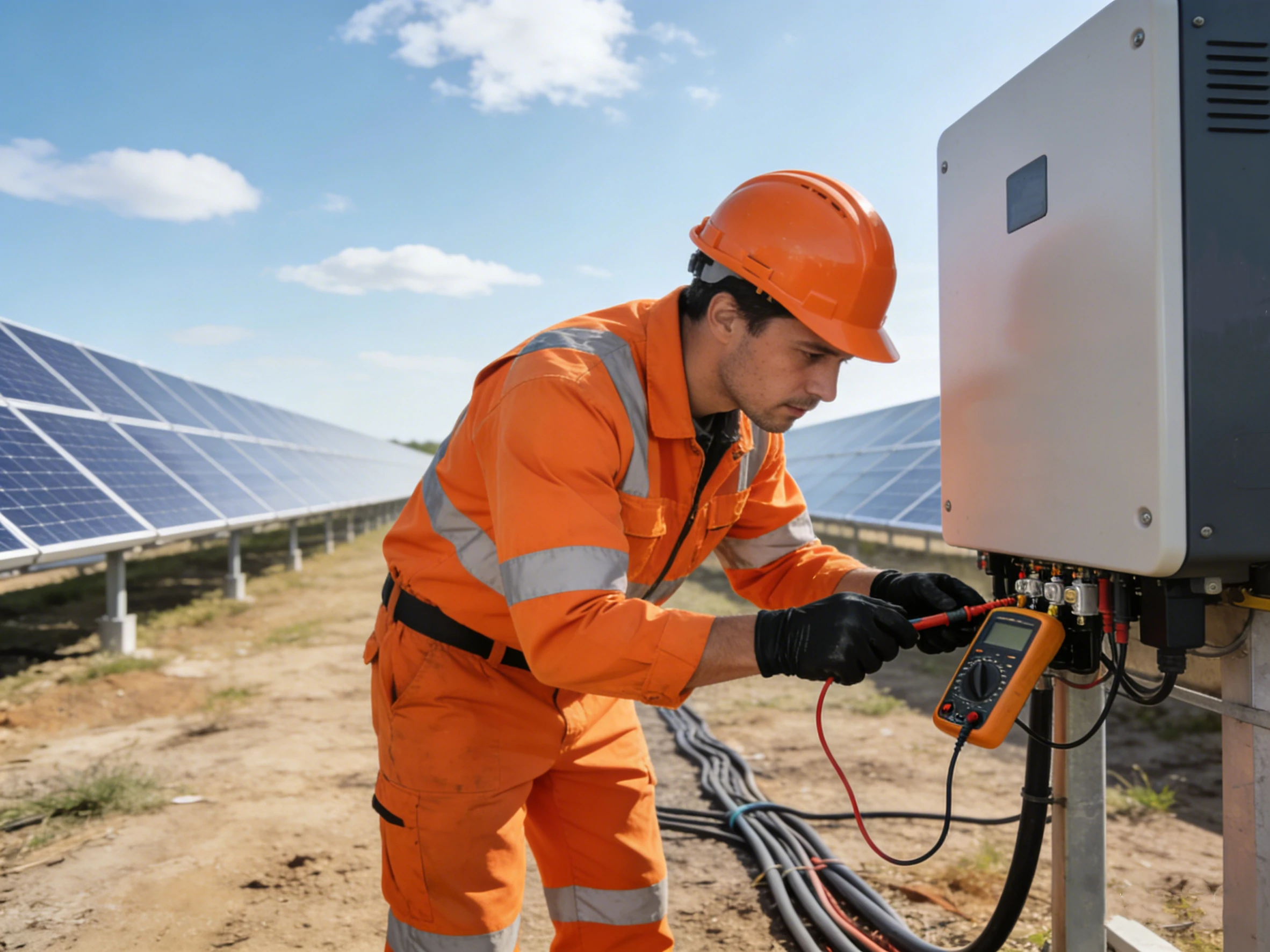
If you’ve ever faced a sudden blackout or noticed smoke near your electrical setup, chances are, you’ve encountered an inverter short circuit. This is one of the most common issues in home electrical systems and solar setups, yet many people overlook the risks until it’s too late. In this guide, we’ll walk you through what an inverter short circuit is, why it happens, and most importantly, how to prevent it—using real-world insights and practical tips from people who have dealt with it firsthand.
Whether you’re a DIY enthusiast installing a solar inverter or a homeowner relying on backup power, understanding short circuits is crucial for safety, efficiency, and longevity.
An inverter short circuit occurs when the electrical current finds an unintended path, bypassing the normal load. Instead of flowing through your devices and appliances, it jumps across wiring, which can create sparks, heat, or even fire.
Think of it like water in a garden hose. If the hose suddenly develops a hole, the water will gush out uncontrolled. In an inverter, this “gush” of electricity can damage components quickly if left unchecked.
Both AC and DC inverters can experience short circuits, but the dynamics differ. A solar inverter, for example, converts DC from solar panels into AC for home use, and a short circuit can occur on either side—DC from the panels or AC going to your home appliances.
An inverter short circuit isn’t just a technical hiccup—it can have tangible consequences. Home appliances may fail, circuit breakers may trip, and in severe cases, your inverter itself can be permanently damaged.
I remember a friend who had installed a DIY solar inverter system on his rooftop. One afternoon, after heavy rain, the inverter started buzzing and then shut down completely. A short circuit in a poorly insulated connection caused the whole system to fail for several hours, leaving the house without backup power.
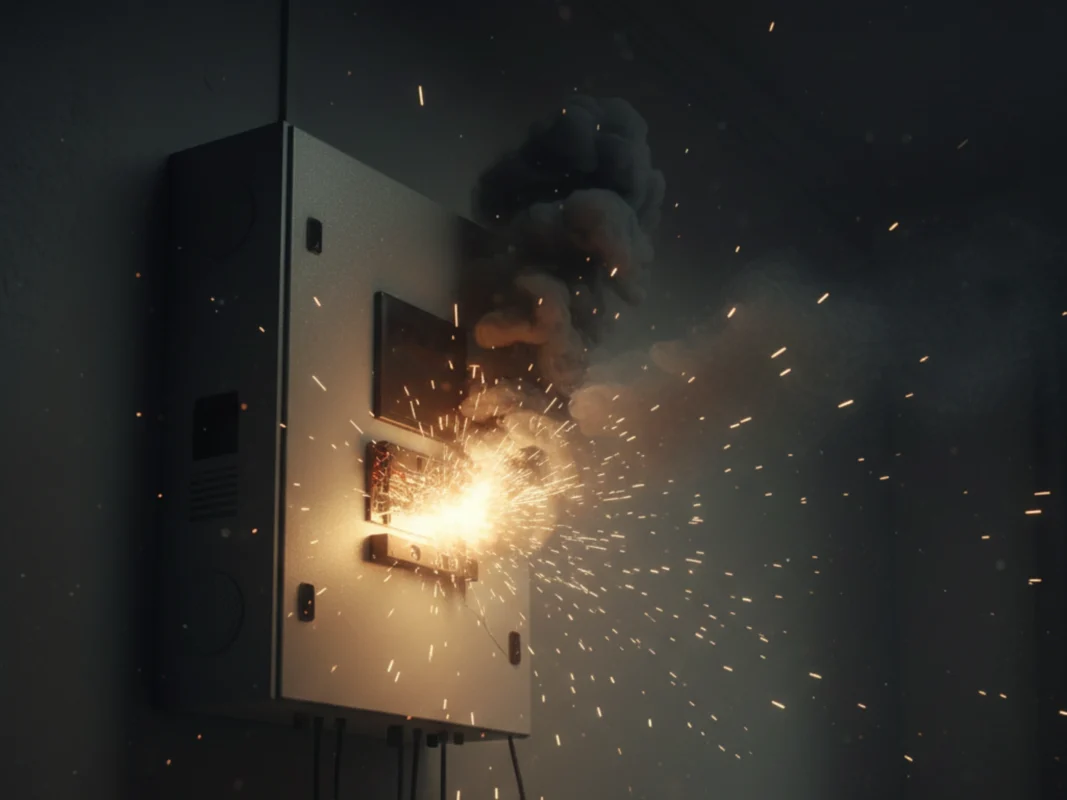
Loose connections or exposed wires are the leading cause of inverter short circuits. Over time, wires may loosen due to vibrations, temperature changes, or poor installation. Even a small nick in insulation can provide a path for electricity to jump—triggering a short circuit instantly.
If you’re installing a solar inverter, always double-check terminal screws and ensure wires are fully insulated. I’ve seen setups where just one loose screw caused repeated short circuits, driving the owner crazy until it was properly tightened.
Another frequent culprit is overloading the inverter. Each inverter has a rated capacity, and pushing it beyond this limit increases the risk of internal failure, overheating, and short circuits.
For example, if you try to run multiple heavy appliances on a small solar inverter, you’re asking for trouble. Always calculate the total wattage your inverter will handle and leave a margin for safety.
Electricity and moisture are never friends. Humidity, rain, or even condensation inside an inverter casing can create unexpected conductive paths, leading to a short circuit.
A practical tip: if your inverter is outdoors or in a semi-exposed area, make sure it’s in a waterproof, ventilated enclosure. One rainy afternoon, I saw a short circuit in a solar inverter simply because rainwater seeped through a poorly sealed junction box.
Sometimes, short circuits occur due to failure of internal components such as capacitors, transistors, or circuit boards. These failures can be sudden and catastrophic or gradual, showing warning signs like flickering or reduced performance.
If your inverter shows repeated faults even after checking external wiring, it’s likely an internal component issue. In such cases, don’t ignore it—timely repair or replacement can prevent a bigger hazard.
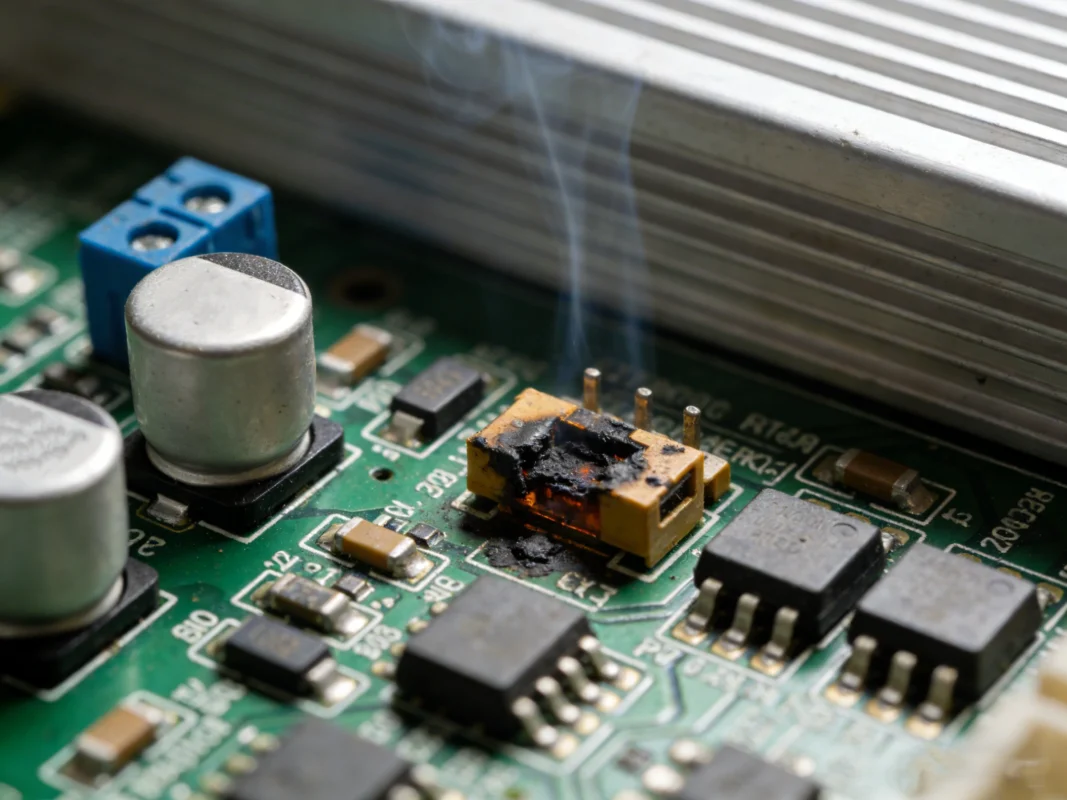
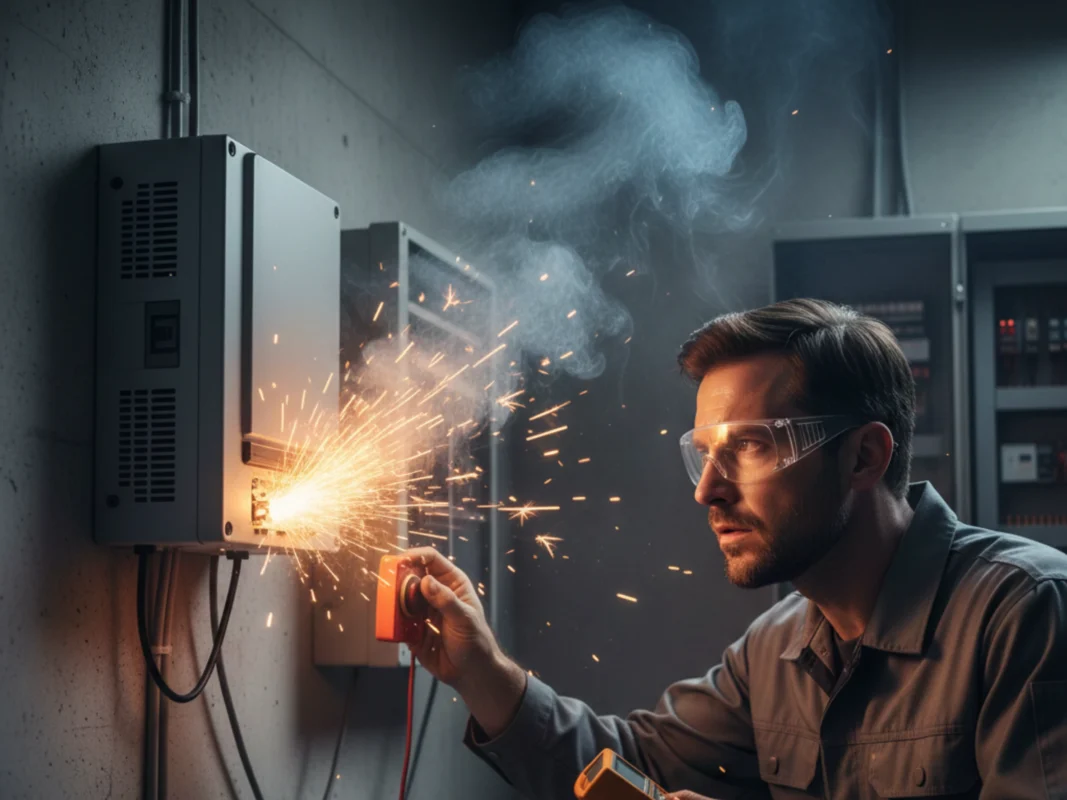
Some signs are hard to miss: buzzing noises, sparks, or smoke are immediate red flags. If you notice any of these, shut down the inverter immediately.
Frequent trips, sudden shutdowns, flickering lights, or appliances failing to start can all indicate an inverter short circuit.
Modern solar inverters often display error codes when a short circuit occurs. Refer to the manual for your specific inverter model, and don’t ignore persistent warnings—even if the system seems to be working.
Proper installation is the first defense against inverter short circuits. Always follow manufacturer guidelines, use correct wire sizes, and avoid DIY shortcuts. A little care during installation can save hours of troubleshooting later.
Tip: label wires and connections clearly. When a problem arises, it makes tracing the fault much faster and safer.
Preventive maintenance goes a long way. Inspect wires, clean dust and debris, and tighten connections every few months.
I personally schedule maintenance quarterly for my solar inverter system. It’s a small effort that keeps the risk of short circuits very low.
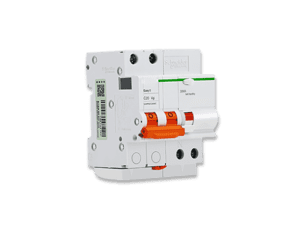
Fuses and circuit breakers are your safety net. Using the correct rating ensures that in the event of a short circuit, the system shuts down before damage occurs. Never skip protective devices, even if your setup seems “robust.”
Install inverters in dry, ventilated areas. Consider enclosures for extra protection against moisture, dust, and pests. Even small precautions, like rubber gaskets or raised platforms, can prevent shorts caused by environmental exposure.
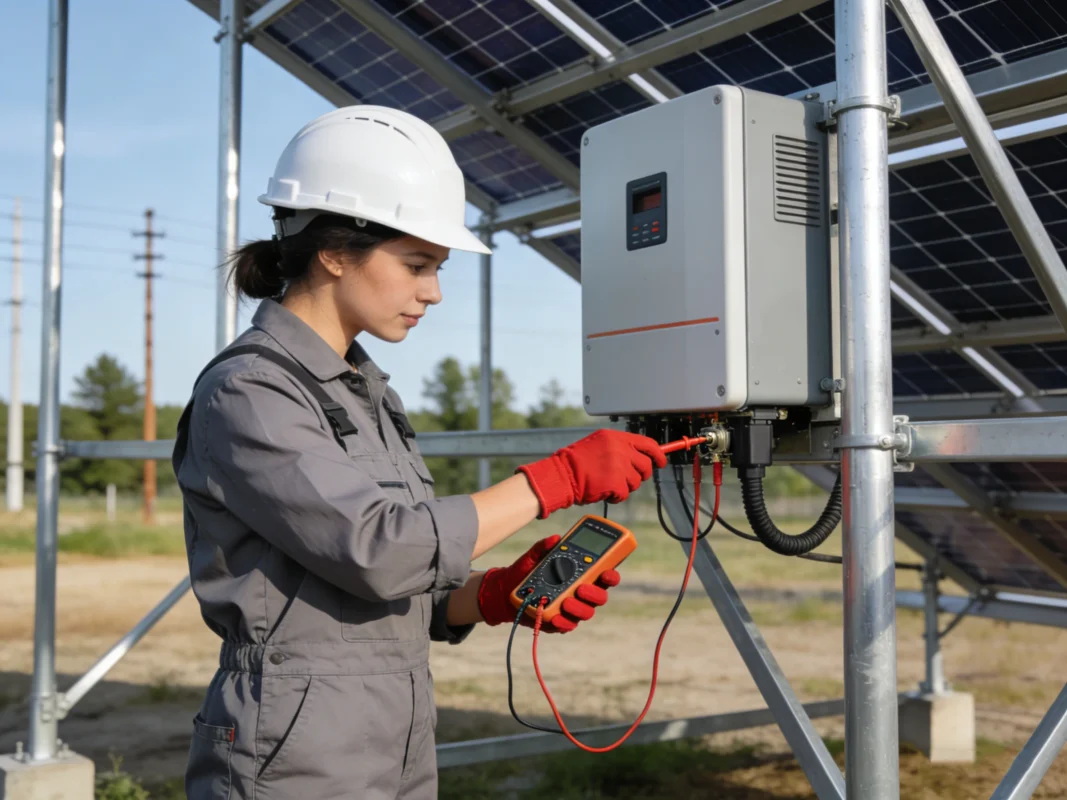
Encountering an inverter short circuit can be stressful, but staying calm and following a structured troubleshooting approach can save both time and money. In many cases, short circuits are preventable, and when they do occur, they can often be fixed without replacing the entire inverter. Here’s a step-by-step guide that reflects real-world experience and safety practices.
The first and most critical step is safety. Always disconnect both the AC and DC sides of your inverter before attempting any inspection. Even a small amount of electricity can be dangerous.
Personally, I’ve seen homeowners rush to check wiring while the system was live, resulting in burns and damaged equipment. Make it a habit: power down, wear insulated gloves, and double-check that the system is completely off before touching any wires or terminals.
Once the inverter is safely powered down, examine all wiring closely. Look for:
Loose or damaged wires are among the most common causes of inverter short circuits, especially in DIY solar setups. Tightening connections and replacing faulty wiring often resolves the problem immediately.
A tip from experience: label all wires during inspection. It makes tracing faults much faster and reduces the risk of accidentally reconnecting something incorrectly.
If wiring looks fine, the issue might be inside the inverter. Check for:
Use a multimeter to test continuity and ensure each component functions correctly. Even small signs of damage can indicate potential short circuit points.
From what I’ve observed, internal component failure often shows subtle signs before a full short circuit—like flickering output or unusual heat buildup. Catching these early can prevent bigger problems.
After inspecting wiring and components, it’s time to test the inverter carefully. Start with a minimal load, such as a small appliance or lamp. Monitor for:
Using a multimeter, check voltage and current flow to confirm the short circuit is resolved. Gradually increase the load while observing system behavior.
Sometimes, despite your best efforts, the inverter may still show signs of a short circuit. At this point, don’t risk further damage or safety hazards. Calling a licensed electrician or certified solar technician is the safest move.
A common mistake is trying to bypass safety features or ignore repeated short circuits. Professional intervention ensures the issue is correctly diagnosed, prevents permanent damage, and keeps your home or solar setup safe.
Following these steps not only resolves existing short circuits but also reduces the likelihood of future issues. A little proactive attention goes a long way in keeping your solar inverter and electrical system reliable and safe.
A client installed a small solar inverter to run a few home appliances. They decided to plug in a high-wattage air conditioner without checking inverter capacity. Within minutes, the inverter tripped and showed signs of a short circuit. The lesson? Always respect the inverter’s limits.
Another homeowner attempted a DIY solar inverter setup with minimal electrical experience. Improper insulation and loose wires caused repeated short circuits. After professional intervention and rewiring, the system was safe and reliable.
These experiences highlight that careful installation, proper sizing, and ongoing maintenance are not optional—they’re essential for preventing inverter short circuits.
Match the inverter’s capacity to your load requirements, plus a safety margin. Oversizing slightly is better than undersizing, which risks overloads and shorts.
Cheap components may save money upfront but often fail sooner, increasing the risk of short circuits. Invest in reliable, tested equipment for peace of mind.
Look for inverters with built-in short circuit protection, surge handling, and thermal shutdown. These features provide an extra layer of safety, particularly in solar setups exposed to environmental changes.
An inverter short circuit might sound intimidating, but with the right precautions, proper installation, and regular maintenance, it’s a manageable risk. Whether you’re using a solar inverter or a traditional setup, understanding the causes, recognizing warning signs, and knowing how to troubleshoot safely are critical skills.
Remember, electricity isn’t something to take lightly—treat your inverter with care, respect its limits, and invest in protective measures. A little attention now can prevent a lot of headaches later.
An inverter short circuit happens when electricity bypasses its normal path, usually due to damaged wires, faulty connections, or internal component failure. Instead of powering your appliances safely, the current takes a shortcut, which can create sparks, heat, or even fire. Think of it like a river suddenly breaking through a dam—energy escapes uncontrollably.
Yes, it can. Minor short circuits might trip protective devices like fuses or breakers, but severe or repeated faults can burn components, melt circuitry, or permanently reduce inverter lifespan. That’s why early detection is crucial.
Common signs include:
• Sudden shutdowns or flickering lights
• Buzzing noises, smoke, or sparks
• Tripped breakers or blown fuses
• Error codes on the inverter display
Even if the inverter appears to be running, subtle issues like unusual heat or irregular voltage readings can signal an impending short circuit.
It can be, but only if you follow strict safety protocols. Always disconnect all AC and DC power first, wear insulated gloves, and never touch live wires. If you’re unsure, it’s safer to call a licensed electrician. Many DIY mistakes happen when people ignore the power hazards involved.
Regular inspection is key. Check for:
• Loose or corroded wiring connections
• Dust or moisture inside the inverter enclosure
• Properly rated fuses and breakers
• Signs of wear on terminals or insulation
A quarterly maintenance routine is usually sufficient to catch issues before they escalate into short circuits.
Absolutely. Moisture is a frequent cause of inverter short circuits, especially for solar inverters installed outdoors or in semi-exposed areas. Even condensation inside a poorly sealed enclosure can create conductive paths that trigger a short.
A good rule of thumb is every three months. You should also inspect after heavy storms, high winds, or unusual electrical behavior. Consistent checks prevent small issues from turning into costly failures.
Most modern solar inverters come with built-in protection like fuses, surge suppressors, or automatic shutdown features. However, not every inverter is equal—older or lower-quality models may lack adequate safeguards. Always verify the inverter specifications before installation.
Yes. Drawing more power than an inverter’s rated capacity can overheat internal components, stress wiring, and increase the risk of a short circuit. It’s crucial to calculate total load and leave a margin for safety.
First, identify and fix the root cause—never just reset without troubleshooting. Disconnect all power, inspect wiring and fuses, check for internal damage, and then follow the inverter’s reset procedure. Only after confirming the issue is resolved should you reconnect the load gradually.








 Turkish
  Romanian