




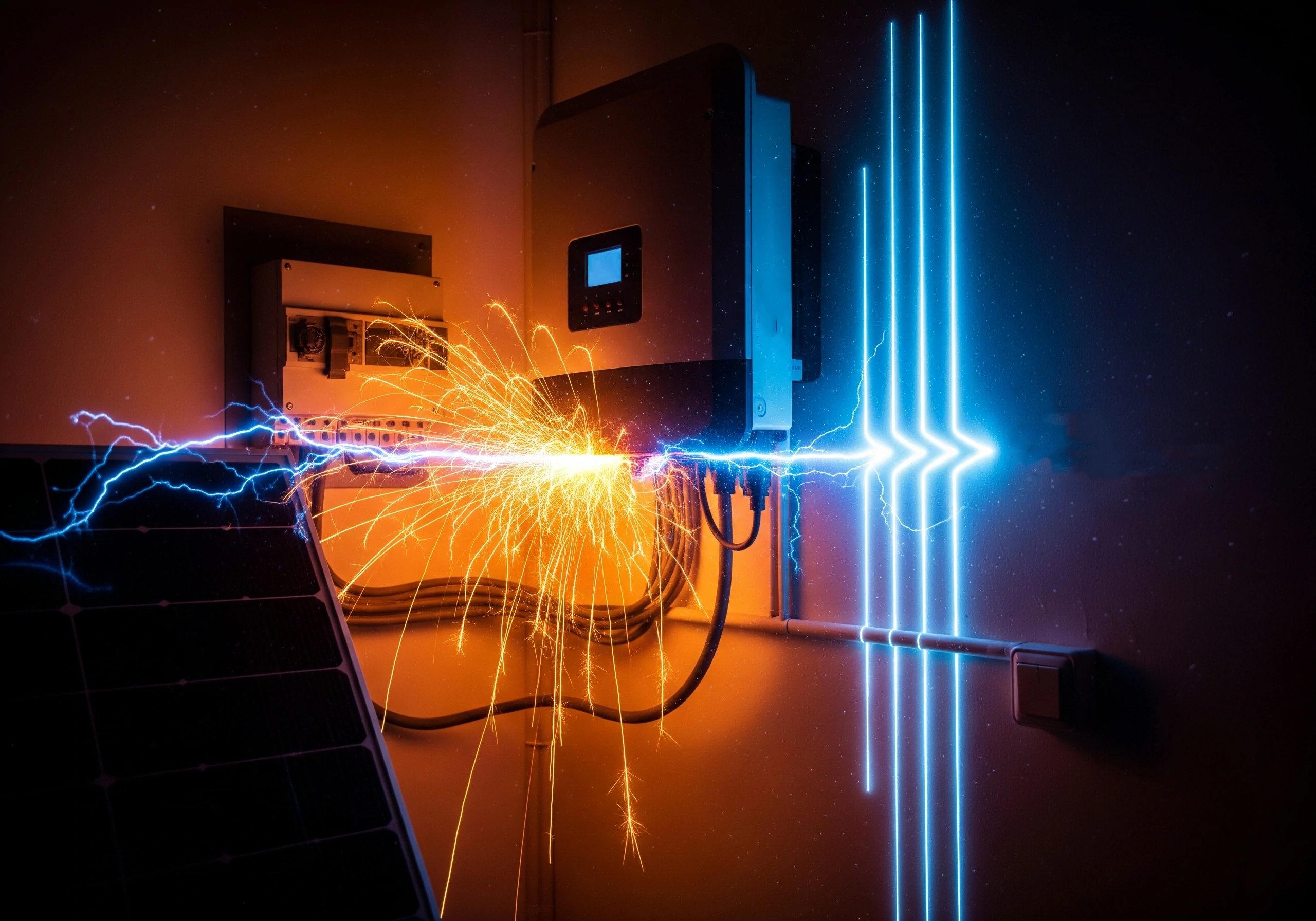
When you’re investing in solar energy, safety and reliability should never be an afterthought. That’s where anti-islanding protection solar comes in. This crucial safety feature ensures your solar inverter stops feeding electricity back to the grid during outages, protecting both your system and utility workers. In this article, we’ll dive deep into what anti-islanding is, why it matters, how it works, and best practices for testing and maintenance. Along the way, we’ll touch on inverter safety features, IEEE 1547 compliance, grid disconnection safety, and other aspects that make modern solar inverters trustworthy.
Anti-islanding protection solar is a mechanism built into inverters to prevent unintentional power flow when the utility grid goes down. Picture this: your solar panels are still producing electricity during a blackout. Without anti-islanding, that energy could feed into the grid, creating a dangerous situation for line workers trying to fix the outage. Essentially, anti-islanding acts as a “safety brake” for your system.
Islanding is not just a technical term—it’s a real risk. Without anti-islanding protection solar, your inverter could keep supplying power to the grid unknowingly. This can:
Even if it sounds rare, the consequences make anti-islanding an indispensable inverter safety feature.
Inverters use several methods to detect a grid outage and stop exporting power:
Most modern solar inverters combine these methods for reliable grid disconnection safety.
Understanding how anti-islanding protection solar works is crucial for anyone who owns or installs a solar inverter. It’s not just a checkbox on a specification sheet—it’s a real-world safety feature that prevents your system from sending electricity back to the grid during outages. Let’s break it down step by step.
The core function of anti-islanding protection solar is detecting when the utility grid is no longer supplying power. In practice, your solar inverter continuously monitors:
Once these parameters go beyond safe thresholds, the anti-islanding logic kicks in. This ensures immediate grid disconnection safety, a critical inverter safety feature to protect both people and equipment.
Practical example: During system commissioning, technicians simulate a blackout by turning off the main breaker while keeping the solar array active. A properly configured inverter detects the absence of the grid and shuts down power export within milliseconds, preventing accidental energization.
There are two main ways that solar inverters implement anti-islanding protection solar:
Many modern solar inverters combine both passive and active detection to maximize reliability.
How fast an inverter disconnects matters. According to IEEE 1547 compliance, a solar inverter must stop exporting power within roughly 2 seconds of detecting a grid outage. This rapid response ensures:
When setting up your system, always verify that your inverter meets these standards. It’s one of the most critical inverter safety features in modern solar installations.
Some solar setups include batteries for backup power. Here’s where things get a bit nuanced: anti-islanding protection solar ensures that, even if your battery is powering your home, the inverter will not export electricity to the grid.
Tip from experience: Always test battery-integrated systems under simulated outages to confirm that anti-islanding protection is functioning correctly. Many installers underestimate this step, but it’s crucial for real-world safety.
Even the best solar inverter can face challenges with anti-islanding:
Routine inspections, firmware updates, and commissioning tests ensure that anti-islanding protection solar remains reliable.
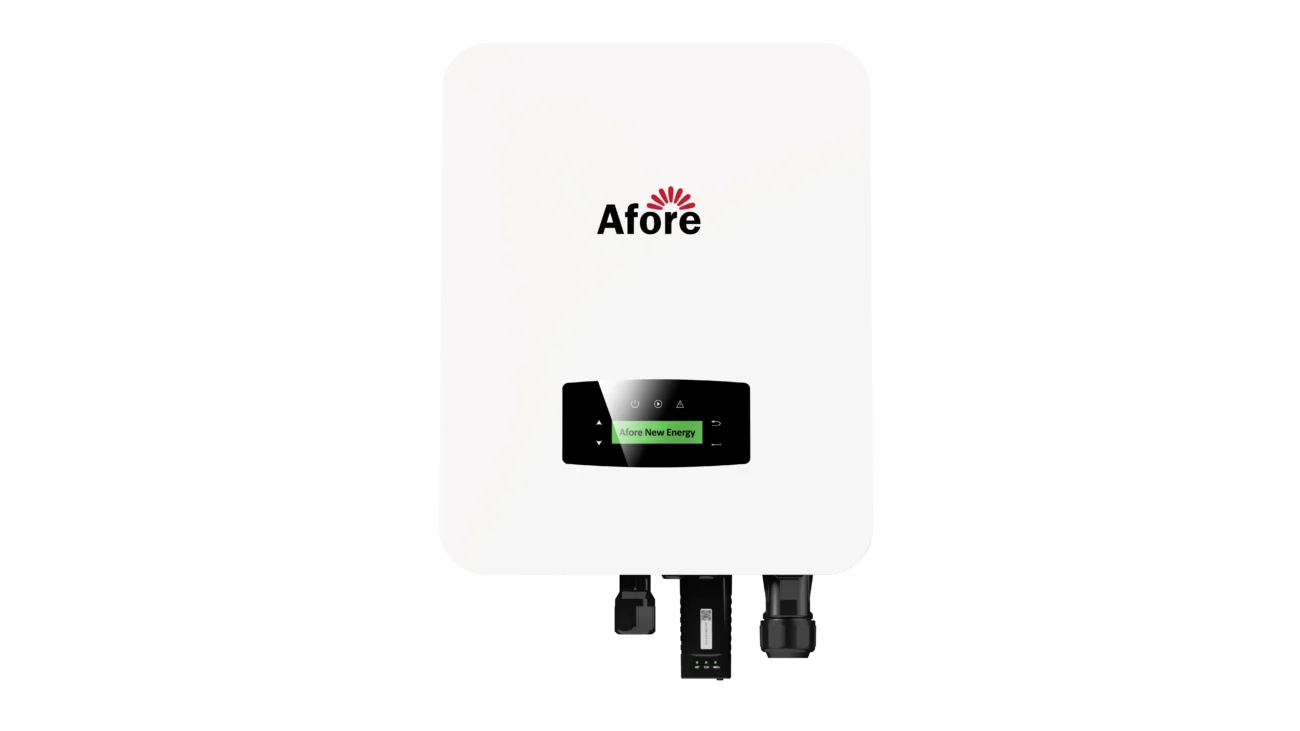
When we talk about anti-islanding protection solar, compliance with IEEE 1547 is a cornerstone of safe and reliable solar installations. This standard provides the rules and guidelines to ensure your solar inverter operates safely in coordination with the utility grid. Understanding this standard isn’t just technical jargon—it directly impacts the safety of your home, your system, and utility workers.
IEEE 1547 is a set of technical standards that govern how distributed energy resources, including solar inverters, interact with the electric grid. It covers:
For anyone installing solar inverters, ensuring compliance is crucial because it guarantees your system won’t inadvertently energize the grid during outages. This is the essence of grid disconnection safety.
Example from practice: During a recent residential installation, we verified the inverter’s anti-islanding response by simulating a grid failure. The inverter disconnected within the required 2-second window, perfectly meeting IEEE 1547 compliance standards.
The primary goal of IEEE 1547 compliance is to protect people and equipment:
Without proper compliance, even a high-quality solar inverter can create dangerous situations, defeating the purpose of inverter safety features like anti-islanding.
To achieve IEEE 1547 compliance, your solar inverter must meet several technical criteria:
Meeting these requirements ensures your anti-islanding protection solar functions as intended, providing grid disconnection safety in real-world scenarios.
Modern solar inverters combine anti-islanding protection solar with other inverter safety features to meet IEEE 1547 compliance:
This multi-layered safety approach guarantees that even under unusual conditions, your system disconnects safely, protecting both the utility grid and your home.
Tip from experience: Always document testing results. Utility inspectors often check for IEEE 1547 compliance during approval, and thorough records can save time and ensure confidence in your installation.
Many homeowners think that simply having a solar system automatically ensures grid disconnection safety, but without proper IEEE 1547 compliance, that assumption can be dangerous:
Regular inspections and commissioning tests are essential to maintain compliance and protect your investment.
Modern solar inverters include multiple layers of protection beyond anti-islanding. Some of the most relevant inverter safety features include:
These features work together to make solar installations both safe and reliable.
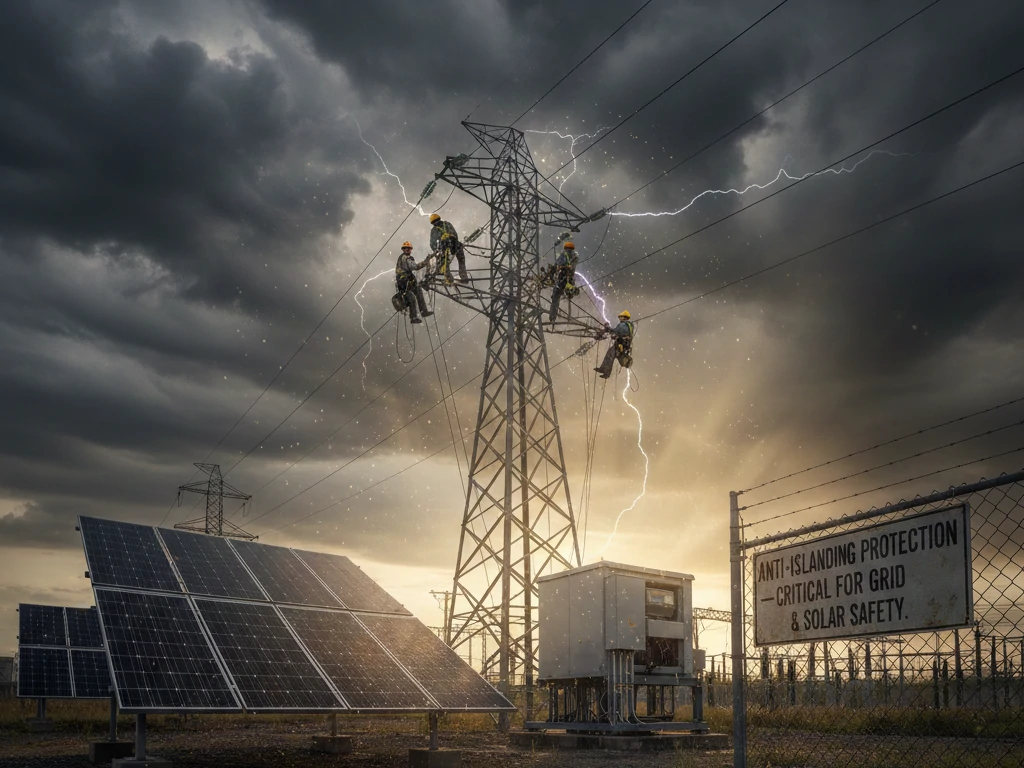
Installing a solar inverter with proper anti-islanding protection solar is more than just mounting hardware and connecting wires. The installation process directly affects safety, reliability, and compliance with standards like IEEE 1547. Whether you’re a homeowner, installer, or system designer, following best practices ensures your system runs safely and efficiently.
Before installing a solar inverter, a thorough site assessment is crucial:
Practical tip: A detailed site assessment often uncovers potential issues like weak breakers or poor grounding, which could compromise inverter safety features if ignored.
Setting up your solar inverter properly is essential for effective anti-islanding protection solar:
Field advice: Double-check settings even if the inverter comes pre-configured. Many issues occur simply because default parameters don’t match the local grid environment.
Commissioning is not just a formality—it’s the step where you ensure your anti-islanding protection solar works in the real world.
Practical insight: Testing under realistic conditions—partial shading, fluctuating loads, and varying sunlight—ensures the inverter responds as expected in real-life scenarios.
Wiring and grounding play a key role in grid disconnection safety:
Tip from the field: Even a minor wiring issue can prevent the inverter from detecting grid loss, defeating the purpose of anti-islanding protection solar.
Even the best solar inverter with anti-islanding protection solar requires regular maintenance to remain safe and reliable. Skipping routine checks can lead to system malfunctions, reduced efficiency, and even compromise grid disconnection safety.
Routine inspections help catch small problems before they escalate:
Pro tip: Schedule inspections at least quarterly, and after major weather events, as sudden fluctuations in grid conditions can stress the system.
Modern solar inverters often rely on software to manage anti-islanding protection solar:
Experience-based advice: Many technicians have observed that out-of-date firmware can cause delayed anti-islanding responses, which is a safety risk. Keeping the system updated is a small step with a big impact.
Even well-installed systems may encounter issues. Here are typical problems and solutions:
Tip from practice: Always document troubleshooting steps and results. It not only helps future maintenance but also demonstrates adherence to grid disconnection safety standards.
Testing is a crucial part of maintenance:
Practical note: Testing under realistic conditions, including partial shading or fluctuating load, ensures that anti-islanding protection solar functions reliably in daily operations.
When performing maintenance or troubleshooting, safety is paramount:
Pro tip: Even experienced technicians treat solar systems with caution. Anti-islanding systems are designed to protect others, but your safety during maintenance depends on following proper procedures.
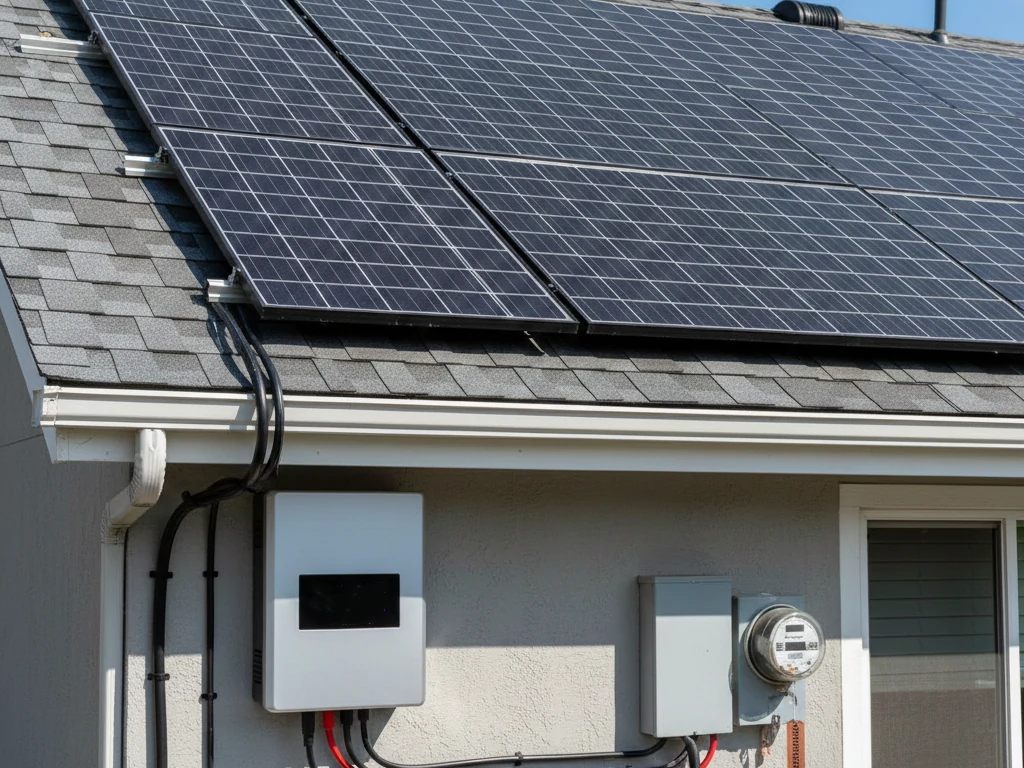
I’ve seen installations where a lack of anti-islanding protection solar almost caused a dangerous situation. During a storm outage, a system without proper anti-islanding continued feeding the grid, creating arcs and risking damage. After installing a compliant solar inverter, the problem was immediately resolved, highlighting why this feature is non-negotiable.
Anti-islanding protection solar is more than a technical checkbox—it’s a critical safety feature for anyone investing in solar energy. Alongside other inverter safety features, it ensures grid disconnection safety, complies with IEEE 1547, and protects both your property and utility workers. By understanding how it works, following best installation practices, and conducting regular maintenance, you can confidently harness solar power while staying safe and compliant.
Invest in a high-quality solar inverter, test anti-islanding regularly, and enjoy peace of mind knowing your system won’t accidentally energize the grid when it shouldn’t.
It’s a safety mechanism that stops a solar inverter from feeding electricity to the grid during a power outage, protecting utility workers and equipment.
If a solar system continues supplying power during a blackout, it can energize lines that workers assume are safe, leading to potential electrocution.
Inverters monitor grid voltage, frequency, and phase. Some actively inject signals to check grid presence. When anomalies exceed thresholds, anti-islanding triggers.
IEEE 1547 defines response times, testing methods, and voltage/frequency tolerances to ensure distributed generation like solar inverters disconnect safely during outages.
Yes, but anti-islanding ensures it won’t feed electricity back into the grid. It powers your home while staying safely isolated.
Simulate a grid outage by turning off the main breaker. A correctly configured inverter should stop exporting power within 2 seconds, meeting IEEE 1547 compliance.








 Turkish
  Romanian